Maharashtra Implements Marathi Language Mandate for Transport Drivers
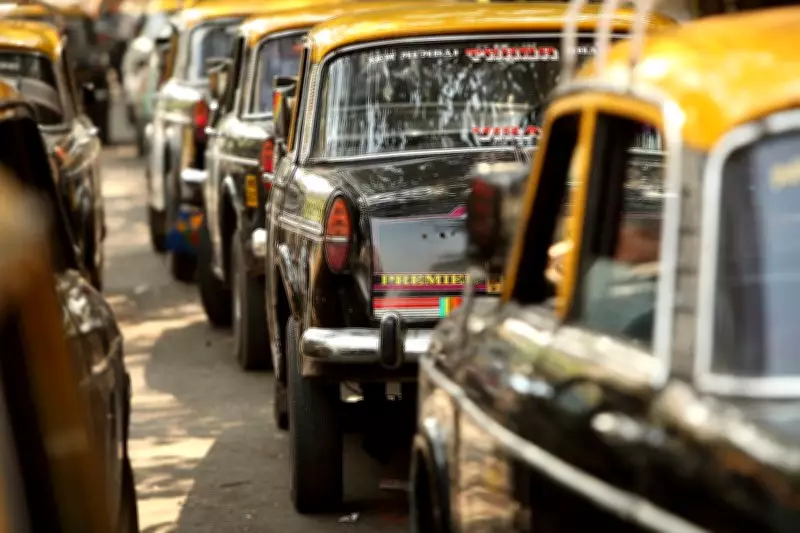
The Maharashtra government has announced a significant policy change, making knowledge of the Marathi language compulsory for all taxi and auto-rickshaw drivers operating in the state. This new regulation is set to take effect from May 1, marking a proactive step to promote the use of the local language and reinforce cultural identity within the public transport sector.
Key Details of the New Language Requirement
Under this mandate, drivers must demonstrate basic proficiency in Marathi to obtain or renew their commercial driving licenses. The rule applies to both new applicants and existing drivers, ensuring that all individuals behind the wheel of taxis and auto-rickshaws can communicate effectively in the state's official language. This move is part of a broader effort to integrate Marathi into everyday professional interactions, particularly in service-oriented roles that involve direct public engagement.
Implementation Timeline and Enforcement

The policy will be enforced starting May 1, with transport authorities tasked with verifying language skills during the licensing process. Drivers who fail to meet the requirement may face delays in license issuance or renewal, potentially impacting their ability to work legally. The government has indicated that training programs or resources might be provided to assist drivers in meeting the standard, though specific details on such support are yet to be fully outlined.
Rationale Behind the Language Mandate
Officials cite multiple reasons for this decision, including enhancing passenger safety and convenience by ensuring clear communication between drivers and locals. By mandating Marathi, the government aims to foster a stronger connection to Maharashtra's cultural heritage and encourage the use of the language in commercial settings. This initiative aligns with previous state efforts to prioritize Marathi in various public domains, reflecting a commitment to linguistic preservation and regional identity.
Impact on the Transport Industry and Drivers
The new rule is expected to affect thousands of drivers across Maharashtra, particularly in urban centers like Mumbai and Pune where the transport sector is highly active. While it may pose challenges for non-Marathi speakers, proponents argue that it will improve service quality and cultural integration. Critics, however, raise concerns about potential barriers to employment for migrants or those from diverse linguistic backgrounds, highlighting the need for balanced implementation.
In summary, Maharashtra's move to require Marathi for taxi and rickshaw drivers represents a notable shift in transport policy, with implications for language use, cultural promotion, and driver livelihoods as the May 1 deadline approaches.