Maharashtra's Decision to Cancel Muslim Quota Faces Legal Hurdle in Bombay High Court
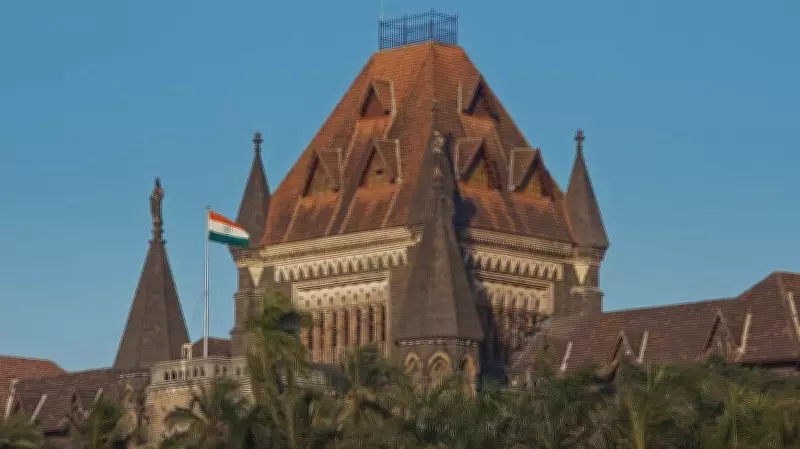
The Maharashtra government's recent move to abolish the 5% reservation for Muslims in education and government employment has sparked a significant legal battle, with the decision now being challenged in the Bombay High Court. This development comes after the state administration, led by the ruling coalition, opted to scrap the quota policy that was initially implemented to address the socio-economic backwardness within the Muslim community.
Background of the Reservation Policy
The reservation for Muslims in Maharashtra was introduced several years ago as a measure to promote inclusivity and provide opportunities for a community that has historically faced disadvantages in access to education and jobs. The policy allocated a 5% quota in educational institutions and public sector employment, aiming to uplift Muslims by ensuring their representation in these critical areas. Supporters of the quota argued that it was essential for achieving social justice and reducing disparities, citing data that showed Muslims lagging behind in key socio-economic indicators compared to other groups.
Government's Rationale for Cancellation
In justifying the cancellation, the Maharashtra government stated that the decision was based on a review of the quota's effectiveness and alignment with constitutional provisions. Officials claimed that the reservation was not in compliance with legal frameworks, as it was not backed by sufficient empirical evidence of backwardness specific to Muslims as a whole. They emphasized that the move was intended to streamline reservation policies and ensure that benefits are targeted more precisely at communities that meet established criteria for affirmative action. However, critics have countered that this rationale overlooks the ongoing challenges faced by Muslims, including higher poverty rates and lower educational attainment.

Legal Challenge and Petitioners' Arguments
The petition filed in the Bombay High Court challenges the government's decision on multiple grounds. Petitioners, including community leaders and activists, argue that the cancellation violates constitutional principles of equality and social justice enshrined in the Indian Constitution. They contend that the quota was a necessary intervention to address systemic discrimination and that its removal will exacerbate existing inequalities, particularly in a state like Maharashtra with a significant Muslim population. The legal team has highlighted that the decision was made without proper consultation or consideration of its impact on the community's progress, potentially setting a precedent that could undermine affirmative action efforts nationwide.
Potential Implications and Broader Context
This legal challenge has broader implications for reservation policies in India, as it touches on sensitive issues of minority rights and social equity. If the Bombay High Court upholds the government's decision, it could lead to similar moves in other states, affecting Muslim communities across the country. Conversely, a ruling in favor of the petitioners might reinforce the need for targeted quotas to address historical injustices. The case also reflects ongoing political debates in Maharashtra, where reservation policies are often contentious and tied to electoral dynamics. As the court prepares to hear arguments, stakeholders are closely watching for outcomes that could shape the future of affirmative action in India.
Next Steps and Public Reaction
The Bombay High Court is expected to schedule hearings soon, where both sides will present their cases in detail. Public reaction has been mixed, with some groups supporting the government's stance on legal grounds, while others, including civil society organizations, have expressed concern over the potential regression in minority rights. The outcome of this case could influence not only Maharashtra's policies but also national discourse on how best to achieve social inclusion through reservation mechanisms. As the legal process unfolds, it remains a critical issue for the state's governance and its commitment to upholding constitutional values.