Mamata Banerjee Levels Serious Allegations Against BJP Over Migrant Treatment
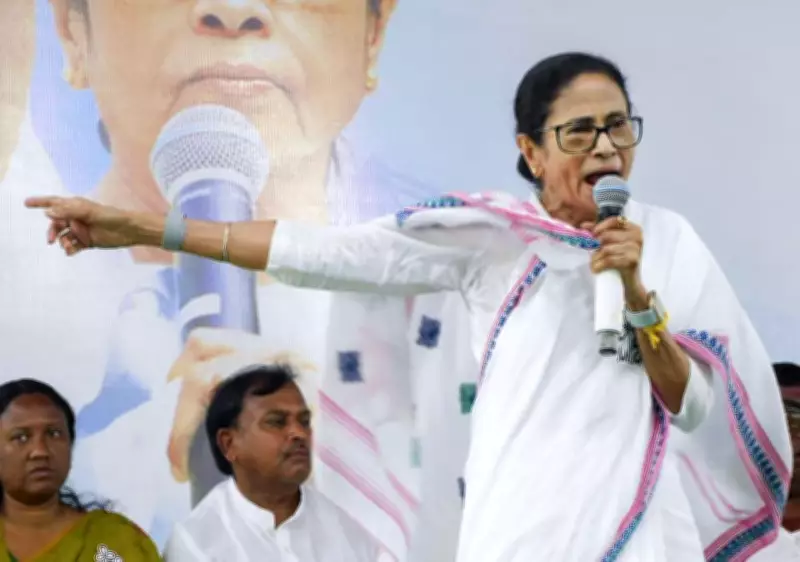
In a fiery statement that has escalated political tensions in West Bengal, Chief Minister Mamata Banerjee has launched a scathing attack on the Bharatiya Janata Party (BJP), branding it as a "barbaric party" and accusing it of perpetrating acts of torture against Bengali-speaking migrants in Kolkata. The allegations, made on March 31, 2026, come at a critical juncture, with state elections looming on the horizon, and have ignited a fresh wave of controversy in the already charged political landscape of the region.
Details of the Allegations and Political Context
Banerjee, who leads the Trinamool Congress (TMC), did not mince words as she detailed the alleged mistreatment. She claimed that Bengali-speaking individuals, who have migrated to Kolkata from various parts of the state and neighboring regions, have been subjected to systematic harassment and physical abuse by BJP supporters and affiliates. According to her, these incidents are part of a broader pattern of intimidation aimed at suppressing dissent and consolidating political power ahead of the upcoming electoral battles.
The Chief Minister emphasized that such actions violate the fundamental rights of citizens and undermine the democratic fabric of the state. "This is not just about politics; it is about humanity," she asserted, calling for immediate intervention from central authorities and human rights organizations to investigate the matter thoroughly. Her statements have resonated with many in West Bengal, where linguistic and cultural identity often play a pivotal role in political discourse.

BJP's Response and Broader Implications
In response to Banerjee's accusations, BJP leaders have vehemently denied the claims, dismissing them as baseless and politically motivated. They argue that the TMC is fabricating stories to divert attention from its own governance failures and to rally support among Bengali-speaking communities. A senior BJP spokesperson stated, "These allegations are nothing but a desperate attempt by Mamata Banerjee to cling to power by spreading fear and misinformation."
The controversy has broader implications for West Bengal's political dynamics. As one of India's most politically volatile states, such allegations could influence voter sentiment, particularly among migrant populations and linguistic minorities. Experts suggest that this incident may exacerbate existing tensions between the TMC and BJP, potentially leading to increased polarization and unrest in the run-up to the elections.
Historical Context and Migrant Issues in Kolkata
Kolkata, a bustling metropolis with a rich history of migration, has long been a melting pot of cultures and languages. Bengali-speaking migrants, often from rural areas or neighboring states like Bihar and Odisha, flock to the city in search of better economic opportunities. However, they frequently face challenges related to integration, employment, and social acceptance.
Banerjee's allegations highlight the precarious situation of these migrants, who are sometimes caught in the crossfire of political rivalries. Past incidents of violence and discrimination against migrant communities have been reported, but this marks a significant escalation in the political rhetoric surrounding the issue. The Chief Minister's call for protection and justice underscores the need for robust policies to safeguard the rights of all residents, regardless of their linguistic or regional background.
Looking Ahead: Potential Outcomes and Calls for Action
As the political storm intensifies, there are growing calls for an independent inquiry into the alleged torture cases. Civil society groups and opposition parties have joined Banerjee in demanding accountability, urging the National Human Rights Commission (NHRC) to step in. Meanwhile, the BJP has countered by accusing the TMC of orchestrating a smear campaign to tarnish its image.

The outcome of this dispute could have far-reaching consequences. If proven, the allegations could damage the BJP's standing in West Bengal and bolster the TMC's position. Conversely, if the claims are debunked, it might erode public trust in Banerjee's administration. Regardless, the incident has already sparked a nationwide debate on migrant rights, political ethics, and the role of language in identity politics.
In conclusion, Mamata Banerjee's accusations against the BJP have thrust the issue of migrant welfare into the spotlight, setting the stage for a contentious electoral battle in West Bengal. As both sides dig in their heels, the need for transparency and justice remains paramount to ensure peace and stability in the region.