Mamata Banerjee Launches Scathing Attack on BJP Over Alleged Food Restrictions
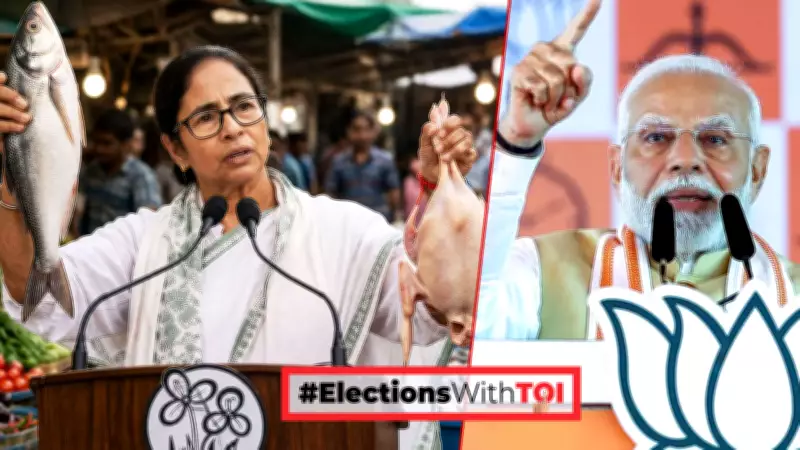
West Bengal Chief Minister Mamata Banerjee delivered a fiery speech at an election rally in Purulia on Sunday, making explosive allegations against the Bharatiya Janata Party (BJP). She claimed that if the BJP comes to power in the state, it would impose severe restrictions on traditional Bengali food habits, specifically targeting the consumption of fish, meat, and eggs.
Accusations of Cultural Disrespect and Social Issues
Addressing a large crowd, Banerjee asserted, "The BJP says you can’t eat fish, meat, eggs." She expanded her criticism beyond dietary concerns, accusing the party of broader misconduct. According to the Trinamool Congress (TMC) leader, the BJP does not respect any religion, frequently resorts to inciting riots, exploits Adivasi communities, and fails to prevent attacks on women in states under its governance.
These remarks are a calculated part of the TMC's campaign strategy as the 2026 West Bengal Assembly elections approach. The party aims to portray the BJP as fundamentally out of sync with Bengal's rich cultural heritage and everyday lifestyle practices. By focusing on food—a central element of Bengali identity—Banerjee seeks to galvanize public sentiment against the opposition.

Political Context and Electoral Implications
The rally in Purulia underscores the intensifying political battle in West Bengal, where the TMC and BJP are locked in a fierce contest for dominance. Banerjee's allegations tap into deep-seated fears about cultural imposition, suggesting that a BJP victory could lead to the erosion of local traditions. This narrative is designed to resonate with voters who prioritize regional autonomy and cultural preservation.
Historically, food has been a potent symbol in Indian politics, often used to highlight differences between communities and ideologies. Banerjee's comments reflect this trend, positioning the TMC as the defender of Bengali ethos against perceived threats from a national party. The timing of her speech, well ahead of the 2026 polls, indicates a strategic move to set the campaign agenda early and frame the election around issues of identity and governance.
As the political climate heats up, such rhetoric is likely to escalate, with both parties leveraging every opportunity to sway public opinion. The outcome of this cultural and political clash will significantly influence West Bengal's future trajectory and its role in national politics.