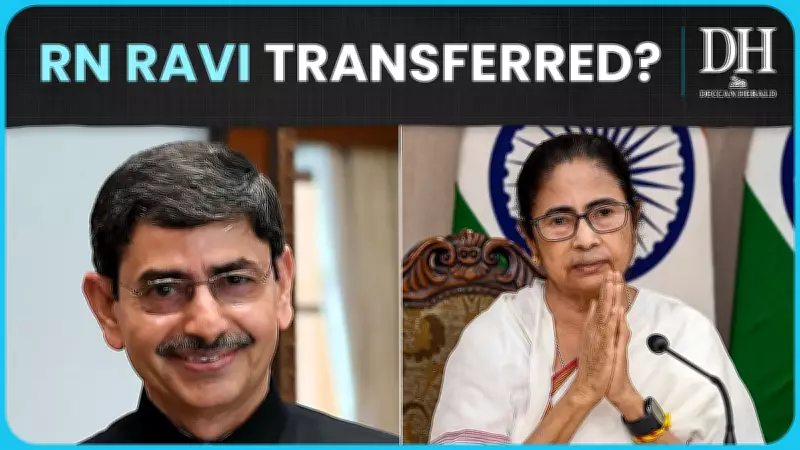
Mamata Banerjee Voices Strong Opposition to New Governor Appointment
West Bengal Chief Minister Mamata Banerjee has publicly expressed her profound shock and dismay at the recent appointment of R.N. Ravi as the new Governor of West Bengal. This significant development follows the unexpected resignation of the previous governor, C.V. Ananda Bose, which has sent ripples through the state's political landscape.
Details of the Governorial Transition
The announcement of R.N. Ravi's appointment was made by the central government, marking a swift transition in leadership at Raj Bhavan. C.V. Ananda Bose, who had been serving as the governor, submitted his resignation, though the specific reasons for his departure have not been officially disclosed. This move has sparked intense speculation and debate among political observers and stakeholders in West Bengal.
Mamata Banerjee's Reaction: In a strongly worded statement, Chief Minister Mamata Banerjee criticized the appointment, labeling it as politically motivated and inappropriate. She emphasized that such decisions should prioritize the welfare and stability of the state, rather than serving narrow political interests. Banerjee's comments highlight the ongoing tensions between the state government and the central administration, reflecting broader conflicts in Indian federal politics.
Background on R.N. Ravi
R.N. Ravi, the newly appointed governor, brings a diverse background to the role. He previously served as the Governor of Nagaland and has held various positions in the Indian government, including roles in security and administrative sectors. His appointment is seen by some analysts as a strategic move by the central government, given his experience in handling complex regional issues. However, critics argue that his past affiliations and actions may influence his neutrality in West Bengal's politically charged environment.
Political Implications: This appointment comes at a critical juncture for West Bengal, which has been a hotspot for political rivalry between the ruling Trinamool Congress and the opposition Bharatiya Janata Party. The role of the governor, as a constitutional head, is often scrutinized for its impartiality, and Banerjee's objections underscore concerns about potential biases that could affect state governance.
Broader Context and Future Outlook
The resignation of C.V. Ananda Bose adds another layer of complexity to the situation. While his tenure was relatively short, his departure raises questions about the challenges faced by governors in states with intense political dynamics. Experts suggest that this episode may lead to increased scrutiny of gubernatorial appointments across India, with calls for greater transparency and consultation with state governments.
Looking ahead, the focus will be on how R.N. Ravi navigates his new responsibilities and interacts with the West Bengal government. Key areas to watch include:
- The governor's approach to constitutional duties and state administration.
- Potential impacts on law and order, given West Bengal's history of political unrest.
- Responses from other political parties and civil society groups to this appointment.
In summary, Mamata Banerjee's sharp criticism of R.N. Ravi's appointment as West Bengal Governor highlights deep-seated political divisions and sets the stage for potential confrontations in the coming months. As the state braces for this new chapter, the actions of both the central and state governments will be closely monitored by citizens and analysts alike.