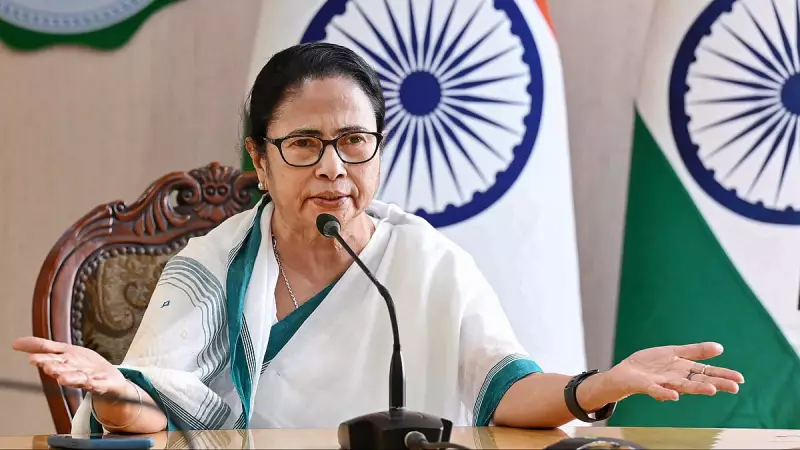
West Bengal Chief Minister Mamata Banerjee has escalated her protest against the ongoing revision of voter lists, penning a third strongly-worded letter to the Chief Election Commissioner (CEC) of India. In her latest communication, she has demanded an immediate halt to the Special Intensive Revision (SIR) process and issued a stark warning about potential mass disenfranchisement of citizens.
Allegations of Harassment and a Tragic Death
The Chief Minister's urgent appeal comes amidst a growing controversy linked to the electoral roll exercise. The political atmosphere in the state has been further charged by an unfortunate incident in the Joynagar area of South 24 Parganas district. Here, the death of a sick and elderly man is being attributed by local sources to the pressures and procedures of the ongoing revision drive.
In her letter, Mamata Banerjee elaborated on this concern, alleging that the SIR process is causing undue strain on vulnerable sections of society. She claimed that ordinary citizens, including the elderly, infirm, and those who are seriously ill, are being subjected to needless anxiety and harassment. The implication is that the process, intended for electoral purity, is instead creating barriers for legitimate voters.

The Core Demand: Stop the Special Intensive Revision
The central thrust of Banerjee's repeated correspondence with the Election Commission is a call to suspend the SIR process entirely. She argues that the method and intensity of the revision are flawed and are leading to a situation where a large number of genuine voters risk losing their democratic right. The term "mass disenfranchisement" used in her letter underscores the severity of the allegation she is leveling against the election machinery's current operations in Bengal.
This marks the third time the Trinamool Congress chief has formally reached out to the top election body on this specific issue, indicating her persistence and the high political stakes involved. The revision process is often a point of contention between ruling parties and opposition, with accusations of voter list manipulation being common from all sides.
Mounting Political Tensions and What's Next
The incident in Joynagar and the Chief Minister's vehement protest have added a serious, human dimension to what is typically a bureaucratic and political clash. The allegation connects an administrative exercise to a loss of life, which is likely to intensify public debate and scrutiny.
All eyes are now on the Election Commission of India's response to this third letter and the growing demands for intervention. Whether the Commission will order a review, a change in procedure, or continue with the SIR as planned will be a critical decision. It will not only impact the electoral roll preparation for West Bengal but also set a precedent for how such revisions are conducted amid claims of public hardship. The situation highlights the delicate balance between ensuring a clean electoral roll and safeguarding citizens from procedural overreach.
This report is based on developments as of January 4, 2026.