

The Union Ministry of Home Affairs (MHA) has delivered a significant verdict, declining the Haryana government's longstanding demand for land in Chandigarh to construct a separate assembly building. The decision, announced on Monday, has been welcomed by Punjab's Aam Aadmi Party (AAP) as a major victory for the state's people.
Firm Stand by Punjab Yields Results
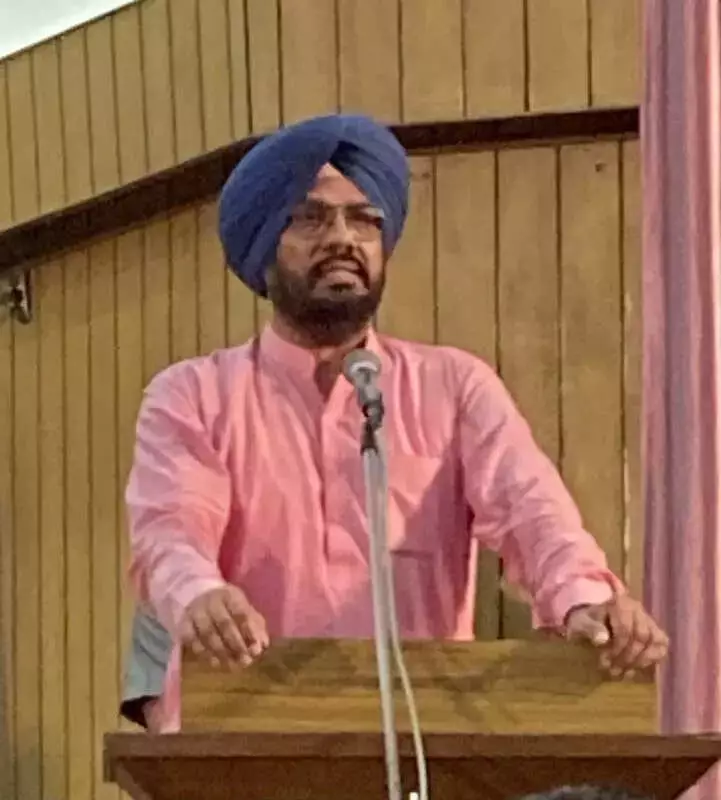
AAP's chief spokesperson and MLA, Kuldeep Singh Dhaliwal, was quick to applaud the central government's move. He emphasized that the rejection was the direct outcome of the Punjab government's persistent and firm stand on the issue over the past several years. Dhaliwal pointed out that the Punjab administration had consistently communicated to the Centre that Haryana cannot be allotted land in Chandigarh for a separate legislative complex.
A Victory for All Punjabis, Says AAP Leader
In his statement, Dhaliwal framed the MHA's decision not as a partisan win but as a collective triumph. He described it as "a victory of all Punjabis", underscoring the broad public sentiment in Punjab against ceding any part of Chandigarh's land for Haryana's assembly. The city of Chandigarh serves as the shared capital of both Punjab and Haryana, a unique arrangement that has often been a source of contention.

The rejection puts a halt, at least for now, to Haryana's prolonged efforts to secure a dedicated plot within the union territory to build an additional assembly building. This development is seen as reinforcing the status quo of the existing capital-sharing agreement between the two states.
Background of the Chandigarh Land Dispute
The dispute has deep historical roots tied to the reorganization of states. For a long time, the Haryana government has argued the need for its own assembly infrastructure in the joint capital. However, the Punjab side has vehemently opposed any such move, viewing it as an encroachment on its rights and a potential alteration of Chandigarh's character. The MHA's recent decision aligns with the stance maintained by the current Punjab government, providing a clear resolution to this specific demand.
Political observers note that this decision will have significant reverberations in the regional politics of both states. It strengthens the position of the AAP government in Punjab on a sensitive state identity issue while presenting a setback to Haryana's aspirations for a more independent legislative presence in Chandigarh.






