

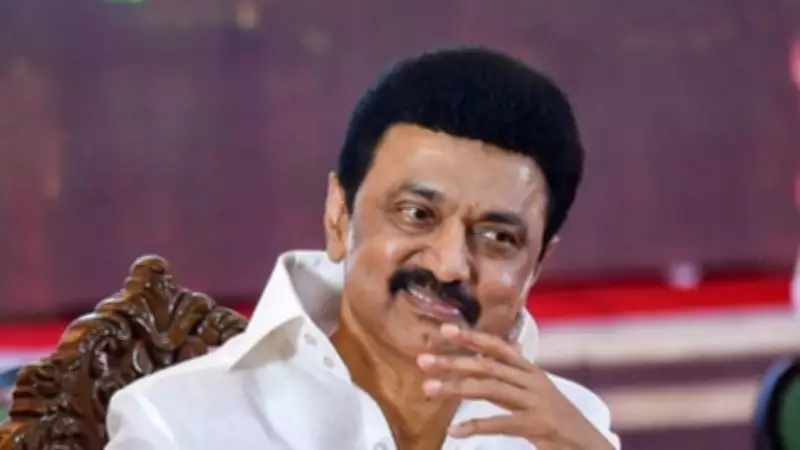
CM MK Stalin Rejects Power-Sharing with Congress in Tamil Nadu
Tamil Nadu Chief Minister MK Stalin has made a definitive statement ruling out any possibility of a power-sharing arrangement with the Congress party in the state's governance. In a clear and assertive declaration, Stalin emphasized that the concept of shared governance does not apply to Tamil Nadu, effectively closing the door on political speculation about such a coalition.
Stalin's Firm Stance on Governance Model
Stalin asserted that a power-sharing model in governance would not be suitable for Tamil Nadu, highlighting the state's unique political landscape and administrative needs. He stressed that the current governance structure under the Dravida Munnetra Kazhagam (DMK) is designed to deliver effective and focused leadership without the complexities of divided authority.
This position underscores the DMK's commitment to maintaining a unified and decisive administration, free from the potential conflicts and inefficiencies that can arise in coalition setups. Stalin's remarks come amid ongoing discussions about political alliances and their implications for state governance.

Political Implications and Context
The Chief Minister's statement has significant ramifications for Tamil Nadu's political dynamics, particularly in relation to the Congress party. By explicitly rejecting power-sharing, Stalin has clarified the DMK's stance on maintaining autonomy in decision-making and policy implementation.
This move is seen as a strategic effort to reinforce the DMK's independent identity and governance capabilities, especially in the context of upcoming electoral cycles and broader national political alignments. It also reflects a broader trend in Indian politics where regional parties assert their dominance over state affairs.
Key Points from Stalin's Declaration
- Shared governance is deemed incompatible with Tamil Nadu's administrative framework.
- No power-sharing prospects exist with the Congress party under current circumstances.
- The DMK prioritizes a cohesive and uninterrupted governance model for the state.
- This stance aims to ensure political stability and clear accountability in Tamil Nadu.
Overall, CM MK Stalin's firm rejection of power-sharing with Congress marks a pivotal moment in Tamil Nadu's political narrative, emphasizing the state's preference for singular and robust leadership in governance.






