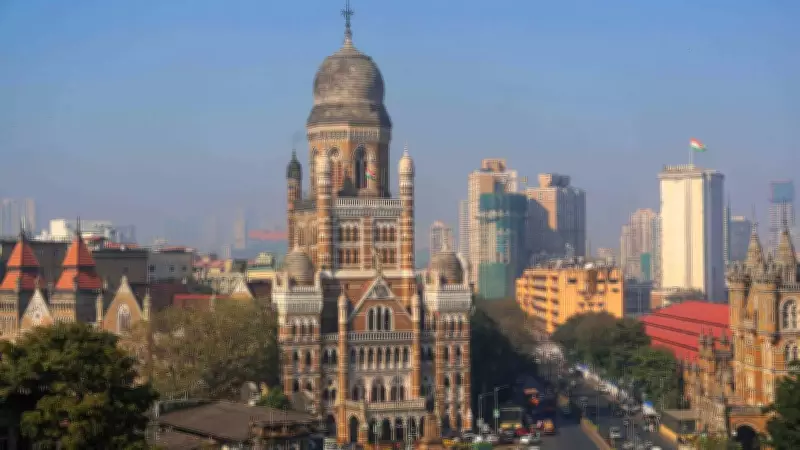
Mumbai is poised for a significant political event as the election for the city's 78th mayor is likely to be held on February 11, with all 227 elected corporators set to participate in the voting process. This election marks a crucial step in the civic governance of India's financial capital, following the completion of registration for all municipal corporators on Monday evening.
Voting Process and Timeline
The election will take place in the BMC's corporation hall, where corporators will vote for nominated candidates based on their party strength. According to civic sources, after the mayor is elected, the selection of chairpersons for major statutory committees, including the standing and improvement committees, is scheduled for February 16. This staggered timeline ensures a smooth transition in Mumbai's municipal administration.
Political Dynamics and Candidate Nominations
The Bharatiya Janata Party (BJP), as the single largest party in the BMC, is expected to play a pivotal role in the mayoral election. Sources indicate that the BJP is likely to nominate either Dadar corporator Sheetal Gambhir or Ghatkopar corporator Ritu Tawde as its mayor candidate. This decision underscores the party's strategic approach to leveraging its numerical advantage in the council.

Other political parties, including the Shiv Sena, have also completed their registrations, setting the stage for a competitive electoral process. The Shiv Sena UBT, anticipated to be the primary opposition, has nominated former mayor Kishori Pednekar as the leader of opposition (LoP), highlighting the ongoing political rivalries within the BMC.
Tenure and Deputy Mayor Election
In Mumbai, the mayor and deputy mayor serve a tenure of two-and-a-half years, after which new candidates are selected through a similar voting mechanism. The election for the deputy mayor is also expected to follow the same process, with parties nominating candidates based on reservation criteria. This system ensures regular renewal of leadership in the city's civic body.
Leadership Appointments and Committee Polls
Beyond the mayoral election, key leadership roles have been assigned within the BMC. The BJP has nominated senior leader Ganesh Khankar as the party leader in the BMC, while Shiv Sena has appointed Ameya Ghole as its leader. These appointments are crucial for coordinating party strategies and governance in the upcoming term.
The committee polls on February 16 will focus on selecting chairpersons for vital statutory committees, which play a significant role in Mumbai's urban planning and development. These elections are integral to the functioning of the BMC, impacting everything from infrastructure projects to public services.
Implications for Mumbai's Governance
The upcoming elections hold substantial implications for Mumbai's governance, as the mayor and committee chairpersons will influence key decisions on civic issues. With the BJP likely to field a strong candidate, the outcome could shape the city's political landscape for the next two-and-a-half years. Voters and stakeholders are closely watching these developments, anticipating impacts on local policies and administration.
As Mumbai prepares for this electoral exercise, the focus remains on ensuring a transparent and democratic process that reflects the will of the corporators and, by extension, the citizens of Mumbai.