

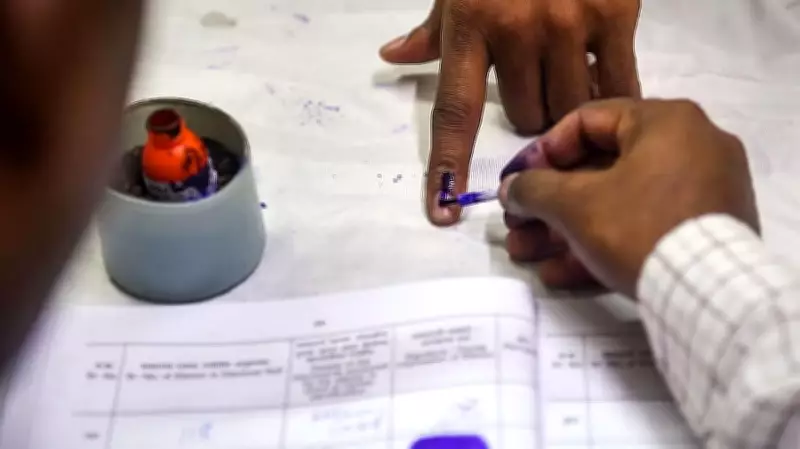
Murshidabad Residents Return from Bangladesh to Vote in 2026 West Bengal Assembly Elections
In a significant development ahead of the West Bengal Assembly Elections 2026, six men from the Murshidabad district are preparing to cast their votes to prove their rightful place as Indian citizens. These individuals, who were reportedly pushed back into Bangladesh last year, have returned to their villages in the Beldanga and Hariharpara areas, determined to participate in the democratic process.
Citizenship Concerns Cast Shadow Over Election Campaign
The fear of disputed citizenship now looms large over the assembly election campaign in these border villages. This issue has become a focal point, raising questions about identity and belonging in regions adjacent to international boundaries. The upcoming elections are not just about political representation but also about affirming one's national status.
The situation underscores the complex challenges faced by residents in border areas, where administrative and geopolitical factors can blur lines of citizenship. The return of these six men to vote highlights their resolve to assert their Indian identity through the ballot box, making their participation a symbolic act of reclaiming their place in the nation.

Impact on Local Communities and Electoral Dynamics
In villages across Beldanga and Hariharpara, this development has stirred discussions and concerns among the local population. The election campaign is now intertwined with issues of:
- Citizenship verification and documentation processes
- The role of border security and immigration policies
- Political narratives around national identity and inclusion
As the 2026 West Bengal Assembly elections approach, this case brings to light the broader implications for electoral politics in border states. It emphasizes how personal stories of displacement and return can shape public discourse and influence voting behavior in sensitive regions.
The determination of these six men to vote serves as a powerful reminder of the importance of democratic participation in resolving identity-based conflicts. Their actions may set a precedent for others in similar situations, potentially affecting voter turnout and political engagement in Murshidabad and beyond.






