

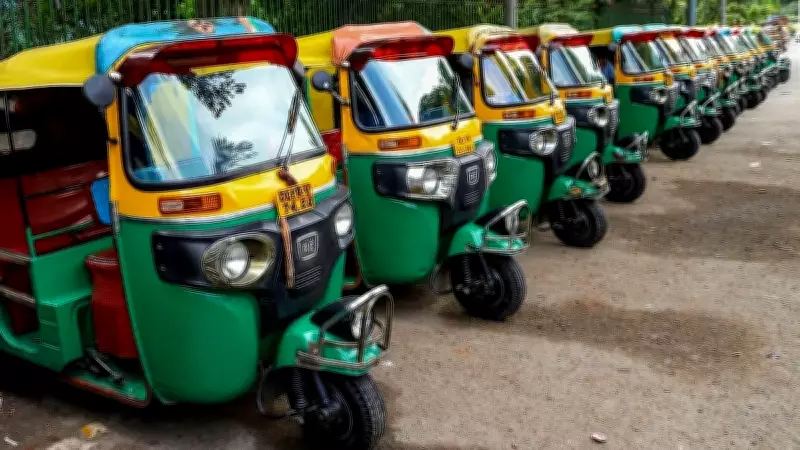
Mysuru Auto Drivers Confront Dual Fuel Crisis Amid Global Conflict
Auto-rickshaw drivers in the historic city of Mysuru, Karnataka, are navigating a severe and escalating fuel crisis that threatens their livelihoods. The situation has deteriorated sharply, with Liquefied Petroleum Gas (LPG) supplies completely unavailable and Compressed Natural Gas (CNG) becoming increasingly scarce and expensive. This disruption is directly linked to the ongoing conflict in West Asia, which has destabilized global energy markets and supply chains.
LPG 'No-Stock' Situation Paralyzes Operations
The most immediate and critical issue facing drivers is the total absence of LPG stocks at local filling stations. For years, LPG has been a popular and cost-effective fuel choice for auto-rickshaws in the region. The sudden and complete depletion of supplies has left hundreds of drivers stranded, unable to operate their vehicles. Many are forced to queue for hours at stations only to be turned away, leading to significant income loss and operational paralysis across the city's transport sector.
CNG Transition Hit by Soaring Prices and Diminishing Supply
In response to previous fuel volatility, approximately 20% of Mysuru's auto-rickshaw fleet has transitioned to CNG over the past two to three years. However, this alternative is now also under severe strain. Drivers report a sharp and alarming price hike, with CNG costs jumping from around Rs 15 per kilogram to approximately Rs 20 per kilogram within just the last week. This represents an increase of over 30%, drastically inflating daily operational expenses.

Furthermore, the availability of CNG is diminishing. Stations are experiencing irregular supplies and longer waiting times, compounding the challenges for drivers who had invested in CNG conversion kits. The dual pressure of rising costs and unreliable access is pushing many to the brink of financial distress.
Root Cause: West Asia Conflict Disrupts Global Energy Flow
The primary driver of this crisis is the geopolitical turmoil in West Asia. The region is a major hub for global oil and gas production and exports. The ongoing war has disrupted shipping routes, triggered sanctions, and created uncertainty in energy markets, leading to supply bottlenecks and price volatility worldwide. India, which imports a significant portion of its LPG and natural gas, is particularly vulnerable to these disruptions.
Local authorities and fuel distributors have acknowledged the issue but have yet to provide a clear timeline for normalization of supplies or price stabilization. The auto-rickshaw unions in Mysuru are reportedly planning to stage protests and seek urgent intervention from the state government to address the humanitarian and economic impact on drivers and commuters alike.
The situation underscores the fragile interdependence of local economies on global stability. For Mysuru's auto drivers, a conflict thousands of miles away has translated into an immediate and tangible threat to their daily survival, highlighting the urgent need for resilient local energy solutions and contingency planning.






