Nagpur Civic Polls: Recalling the 2017 Battle Across 151 Corporations
Nagpur is preparing for its upcoming civic elections. This moment prompts a look back at the last major electoral contest in 2017. That year, elections were held for 151 municipal corporations across Maharashtra. The results shaped local governance and set the stage for current political dynamics.
The 2017 Electoral Landscape
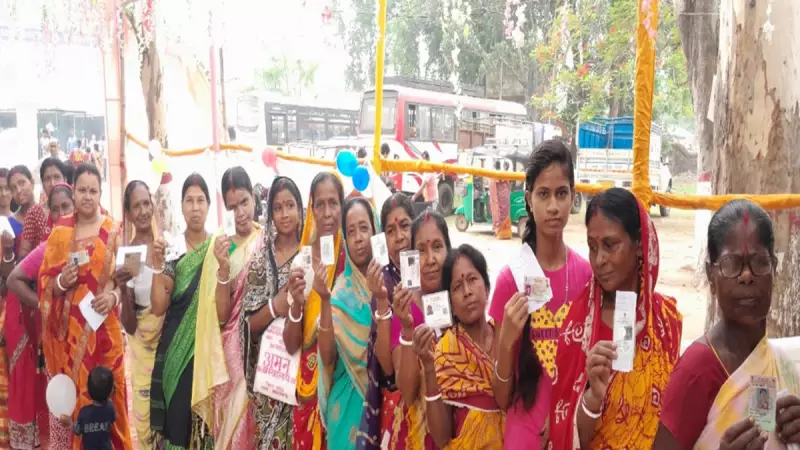
In 2017, Maharashtra witnessed a significant exercise in democracy. Voters in 151 corporations cast their ballots to choose their local representatives. These elections were crucial for determining control over urban local bodies. They influenced everything from infrastructure projects to public services in cities and towns.
The political climate was charged with competition. Major parties invested heavily in campaigns. They aimed to secure dominance in these civic bodies. The outcomes had lasting impacts on regional politics.

Key Political Players and Their Roles
Several prominent figures were central to the 2017 elections. Devendra Fadnavis, then Chief Minister of Maharashtra, played a pivotal role. He led the Bharatiya Janata Party's campaign efforts. His leadership was instrumental in mobilizing support across the state.
Eknath Shinde, now a key leader, was also active during this period. He worked within the Shiv Sena to strengthen its position. Uddhav Thackeray, heading Shiv Sena at the time, directed his party's strategy. He focused on maintaining Shiv Sena's influence in urban areas.
The BJP, Congress, and Shiv Sena were the main contenders. Each party deployed extensive resources. They sought to win seats and gain control over corporations. The competition was fierce, with alliances and rivalries shaping the results.
Outcomes and Implications
The 2017 elections produced varied results across different corporations. In some areas, the BJP emerged strong. In others, Shiv Sena or Congress made significant gains. These outcomes reflected local issues and voter preferences.
For Nagpur specifically, the results influenced subsequent developments. The city's civic administration saw changes based on the elected representatives. This historical context is vital as Nagpur approaches new polls.
Understanding the 2017 elections helps gauge current political alignments. It sheds light on how past performances might affect future strategies. Parties are likely to draw lessons from those contests as they plan for upcoming elections.
Looking Ahead to Nagpur's Civic Polls
As Nagpur readies for its civic elections, the legacy of 2017 looms large. Stakeholders are analyzing previous results to inform their campaigns. They consider voter behavior, key issues, and political shifts since then.
The involvement of figures like Fadnavis, Shinde, and Thackeray remains relevant. Their past actions and current positions could influence voter decisions. The BJP, Congress, and Shiv Sena continue to be major forces in Maharashtra's politics.
This retrospective view underscores the importance of local elections. They are not just about municipal governance but also about broader political trends. Nagpur's upcoming polls will be another chapter in this ongoing narrative.