Odisha Chief Minister Slams Opposition for 'Political Drama' in Assembly
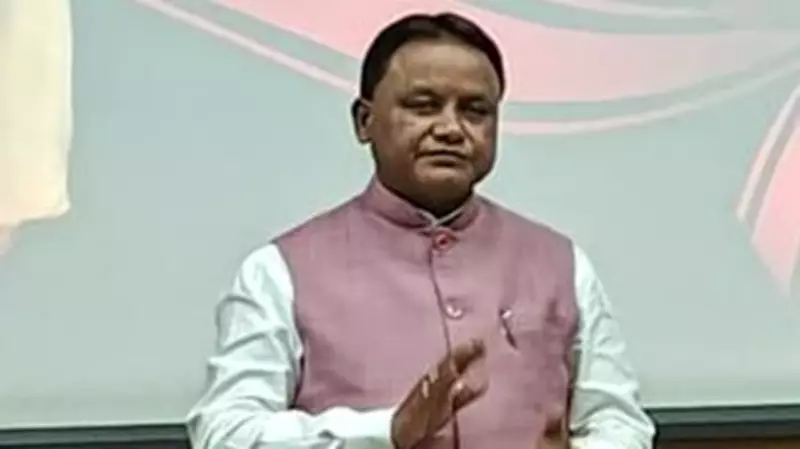
In a sharp rebuke during a recent session of the Odisha Legislative Assembly, Chief Minister Mohan Charan Majhi accused opposition parties of engaging in what he termed a 'political drama' rather than constructively addressing the pressing issues faced by farmers in the state. The remarks came amid heated debates over agricultural policies and rural distress, highlighting the ongoing political tensions in Odisha.
Majhi's Strong Criticism of Opposition Tactics
Chief Minister Majhi asserted that instead of raising legitimate concerns for farmers in the House, opposition members were deliberately creating disturbances and staging theatrical performances. He emphasized that such actions divert attention from substantive discussions on farmer welfare, which he argued should be the primary focus of legislative proceedings. Majhi's comments reflect a broader frustration with what he perceives as obstructionist tactics that hinder governance and policy-making.
Key Points from Majhi's Statement:

- Opposition parties are accused of prioritizing political theatrics over genuine advocacy for farmers.
- Majhi highlighted that the disturbances in the Assembly disrupt efforts to address agricultural challenges.
- He called for a more serious and issue-based approach to debates concerning rural communities.
Context of Farmers' Issues in Odisha
This controversy unfolds against a backdrop of longstanding agricultural concerns in Odisha, including issues related to crop prices, irrigation, and debt relief. Farmers in the state have periodically protested for better support and policies, making their welfare a critical topic in political discourse. Majhi's administration has faced scrutiny over its handling of these matters, with opposition parties often leveraging farmer grievances to criticize the government.
The timing of Majhi's remarks is significant, as they come amid increasing public attention on agrarian distress across India. By framing the opposition's actions as a 'political drama,' Majhi aims to shift the narrative towards his government's initiatives while discrediting rival parties as insincere in their advocacy.
Political Implications and Reactions
The accusation of staging a 'political drama' is likely to escalate tensions between the ruling party and opposition factions in Odisha. Such rhetoric often polarizes legislative environments, potentially affecting collaborative efforts on key issues like agriculture. Observers note that this incident underscores the challenges of maintaining productive dialogue in state assemblies, where political posturing can overshadow policy debates.
Potential Outcomes:
- Increased scrutiny on how both the government and opposition address farmer concerns in future sessions.
- A possible hardening of political stances, making bipartisan agreements more difficult.
- Heightened public awareness and media coverage of agricultural issues in Odisha.
As the situation develops, stakeholders will be watching closely to see if this confrontation leads to meaningful discussions or further gridlock in the Assembly. The focus remains on whether political leaders can move beyond accusations to deliver tangible solutions for Odisha's farming community.