

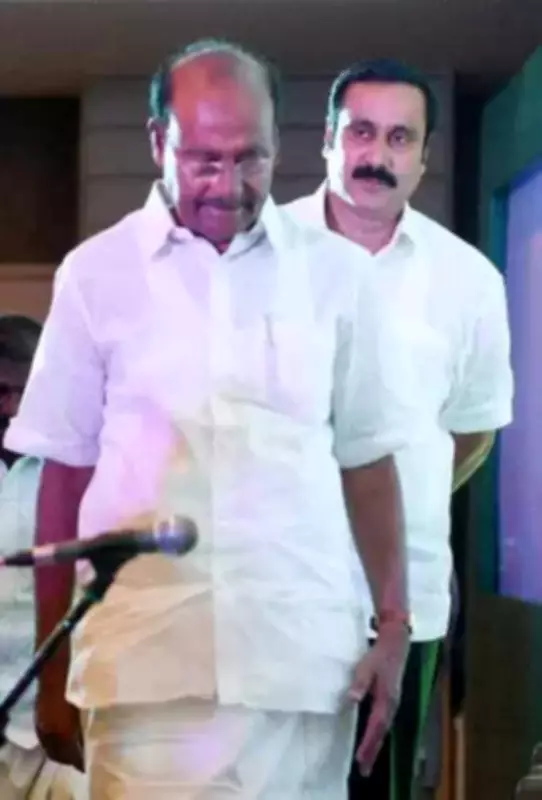
PMK Founder Accuses Election Commission of Bias in Party Symbol Dispute
In a significant development in Tamil Nadu politics, PMK founder S Ramadoss has launched a sharp criticism against the Election Commission of India (ECI), alleging that it has taken "biased" and "unilateral" actions regarding the allotment of the party's iconic 'mango' symbol. This accusation comes on the heels of a recent civil court decision in Chennai that declined to freeze the symbol or provide interim relief to Ramadoss, thereby allowing the faction led by his son and party president, Anbumani Ramadoss, to continue using it for the upcoming 2026 assembly elections.
Court Ruling and Ramadoss's Allegations
The civil court's ruling has intensified the internal conflict within the Pattali Makkal Katchi (PMK), a party with a storied history since its founding on July 16, 1989. Ramadoss, in his statement, recounted the party's 37-year journey and highlighted his personal achievements in building the organization from the ground up. He expressed deep disappointment, alleging that individuals he personally mentored, including his son, are now attempting to "usurp the party using forged documents and fraudulent methods." This accusation underscores the deepening rift within the party's leadership, which has been simmering for some time.
Ramadoss's Critique of the Election Commission
Ramadoss did not mince words when targeting the Election Commission, stating, "The ECI's decision to act arbitrarily in the case of an unrecognised party such as the PMK is a murder of democracy. Instead of acting as a neutral arbiter, the commission has actively supported those trying to hijack this movement." This strong language reflects his view that the ECI has overstepped its role by favoring one faction over another, particularly in a dispute involving an unrecognized political entity. He emphasized that such actions undermine the democratic process and erode public trust in electoral institutions.

Background and Implications
The PMK, known for its advocacy on social justice and welfare issues, has been a key player in Tamil Nadu's political landscape. The 'mango' symbol holds significant sentimental and strategic value, serving as a recognizable emblem for the party's base. The current dispute not only threatens to split the party but also raises broader questions about the ECI's handling of internal party conflicts. As the 2026 assembly elections approach, this controversy could impact voter perception and party cohesion, potentially altering the political dynamics in the state.
Ramadoss's allegations highlight the challenges faced by political parties in maintaining unity and the role of electoral bodies in mediating such disputes. The situation remains fluid, with both factions likely to continue their legal and political battles in the coming months. Observers are closely watching how this internal strife will unfold and its potential effects on Tamil Nadu's electoral future.






