

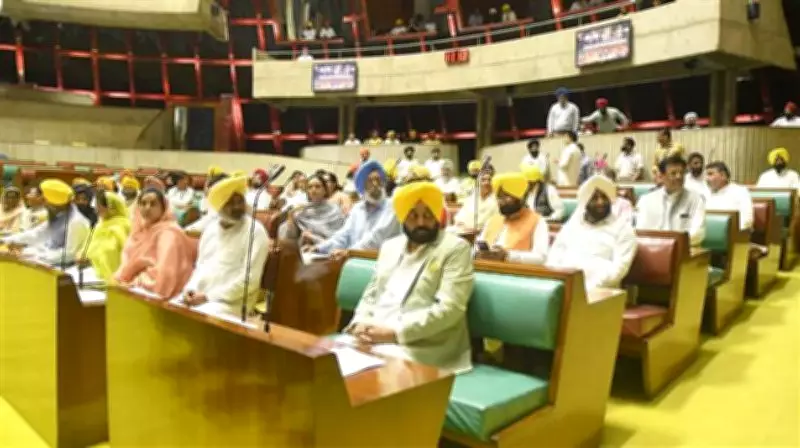
Punjab Assembly Set to Table Anti-Sacrilege Bill Amid Religious Gathering
The Punjab Assembly is preparing to introduce a significant anti-sacrilege bill during an upcoming religious gathering, marking a pivotal moment in the state's legislative efforts to address offenses against religious sentiments. This move comes amid heightened public and political focus on protecting religious properties and symbols from acts of desecration.
Legislative Context and Objectives
The proposed bill aims to establish stricter legal frameworks to combat sacrilege, which involves disrespect or damage to religious items, places of worship, or sacred texts. By tabling this legislation during a religious assembly, the Punjab government seeks to underscore its commitment to safeguarding religious harmony and ensuring swift justice for such offenses. The bill is expected to include provisions for enhanced penalties and expedited judicial processes to deter potential violators.
Political and Social Implications
This legislative initiative reflects broader political dynamics in Punjab, where issues of religious sensitivity have often sparked public outcry and protests. The timing of the bill's introduction during a religious gathering is strategic, intended to resonate with community leaders and the general populace, reinforcing the government's proactive stance on religious protection. Analysts note that this could influence upcoming electoral scenarios and public trust in governance.

Key Features of the Anti-Sacrilege Bill
The bill is anticipated to encompass several critical elements designed to fortify legal protections:
- Definition of Sacrilege: Clear legal definitions of what constitutes sacrilege, covering a range of acts from vandalism to verbal insults against religious entities.
- Penalties and Enforcement: Proposed stricter punishments, including fines and imprisonment, to act as a deterrent against future incidents.
- Fast-Track Courts: Establishment of specialized courts to handle sacrilege cases promptly, reducing delays in the justice system.
- Community Involvement: Provisions for involving religious communities in awareness campaigns and preventive measures.
Public and Stakeholder Reactions
Initial reactions from various stakeholders have been mixed, with religious groups largely welcoming the move as a step toward greater security for their faiths. However, some civil society organizations have raised concerns about potential misuse of the law or its impact on freedom of expression. The government has emphasized that the bill will balance protection with constitutional rights, aiming to foster a respectful and inclusive society.
Broader Impact on Punjab's Legal Landscape
If passed, this anti-sacrilege bill could set a precedent for other states in India dealing with similar issues, highlighting Punjab's leadership in addressing religious offenses. It also aligns with national trends toward stronger legal measures for communal harmony, though implementation will be key to its success. The assembly's decision to table it during a religious gathering underscores the symbolic importance of this legislation in promoting peace and order.
In summary, the Punjab Assembly's move to table an anti-sacrilege bill amid a religious gathering represents a focused effort to enhance legal protections against religious offenses, with potential ramifications for politics, society, and law enforcement in the region.






