Rajasthan Assembly Witnesses Heated Debate Over Mobile Veterinary Units
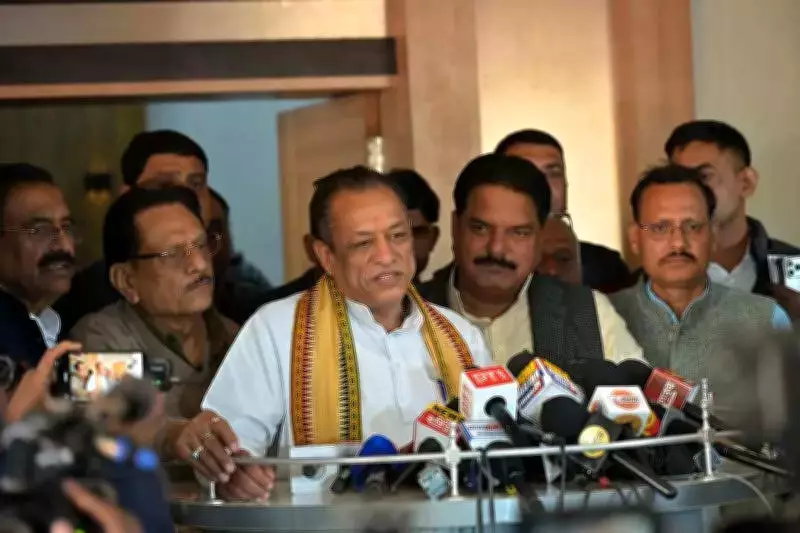
In a dramatic session of the Rajasthan Assembly on Tuesday, a discussion regarding the functioning of mobile veterinary units escalated into a heated exchange, with Leader of Opposition Tikaram Jully raising serious allegations about discrepancies in the government's presented data.
Minister's Explanation on Veterinary Service Operations
Animal Husbandry and Dairy Minister Joraram Kumawat provided details to the House, stating that the Mobile Veterinary Unit service was officially launched on February 24, 2024. He explained that during the initial months, the service operated without a call centre system, relying instead on village-level camps. "At that time, camps were organised in villages, and mobile veterinary units visited these locations. All animals present at the camps were treated. Therefore, the data also includes animals treated during these camps," Kumawat clarified.
The minister further highlighted that a call centre was established on October 9, 2024, which brought more structure to the service. "Since the launch of the call centre, each mobile veterinary van has treated an average of six animals per day," he added, emphasizing the improved efficiency post-implementation.
Opposition Leader's Allegations of Fabricated Figures
However, Tikaram Jully strongly contested the figures shared by the minister. He pointed out that Kumawat had reported 36,549 animals treated until February 15. Jully argued, "There are three mobile veterinary units operating, and each van treats six animals daily. The numbers do not add up. These figures appear fabricated. There should be an investigation," he demanded, questioning the accuracy and transparency of the data.
Verbal Clash Erupts in Assembly
The issue quickly led to a brief but intense verbal exchange between Jully and the Parliamentary Affairs Minister during the discussion, underscoring the political tensions surrounding the implementation and reporting of the veterinary service. The confrontation highlighted concerns over governance and accountability in public health initiatives for animals.