Rajasthan Assembly Session Extended for Key Legislative Business
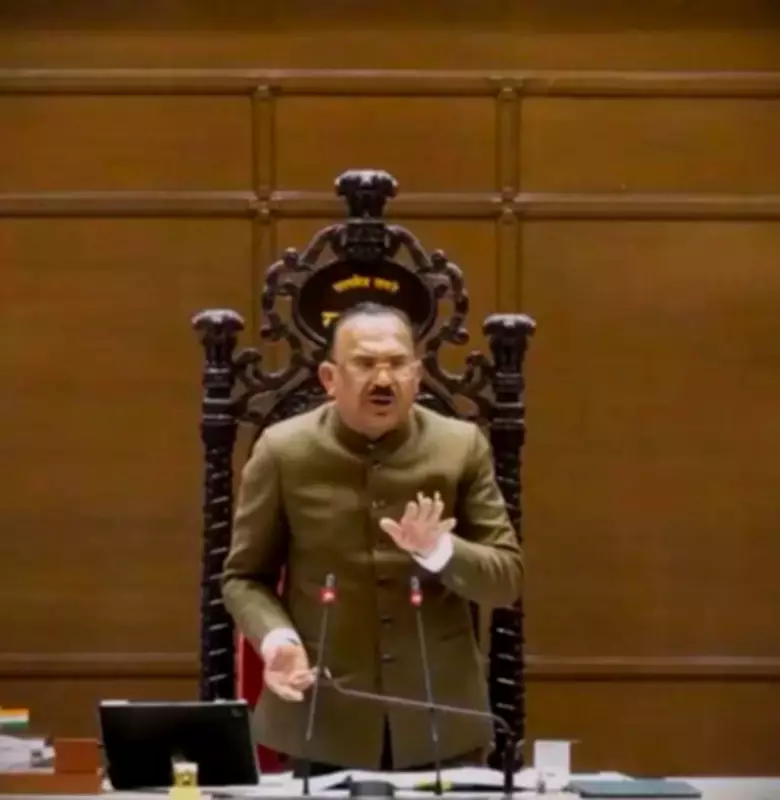
The Rajasthan Legislative Assembly session has been officially extended by two additional days, following a decisive meeting of the Business Advisory Committee (BAC). The extension, covering March 9 and 10, was approved under the chairmanship of Speaker Vasudev Devnani on Friday. This move is strategically designed to facilitate the passage of several pending and critical legislative amendments, primarily focused on local body governance and electoral reforms.
Revised Schedule and Legislative Agenda
According to the finalized schedule from the BAC meeting, the House will observe adjournment on March 7 and 8. Legislative proceedings will then resume intensively on March 9 and 10. The agenda for these two days is packed with significant bills that aim to reshape local administration and sports education in the state.
On March 9, the Assembly will prioritize the discussion and passage of two key bills: the Rajasthan Panchayati Raj (Amendment) Bill, 2026, and the Rajasthan Ayurveda and Yoga Medical University Bill, 2026. The Panchayati Raj amendment is particularly noteworthy, as it is expected to eliminate the controversial provision that currently disqualifies candidates with more than two children from contesting elections in local bodies. This change could potentially open the electoral field to a broader range of candidates.

The legislative focus will shift on March 10 to the Rajasthan Municipalities (Amendment) Bill, 2026 and the Maharana Pratap Sports University Bill, 2026. The debate and passage of these bills are anticipated to be comprehensive, addressing both urban governance and the promotion of sports education.
Strategic Objectives Behind the Amendments
State officials have clarified that the amendments to the Municipalities Act and the Panchayati Raj Act are not merely procedural but are of paramount importance for synchronizing the election cycles of urban and rural local bodies. This synchronization is viewed as a critical step towards implementing the broader "One State, One Election" model across Rajasthan.
The proposed legislative changes are expected to achieve several key objectives:
- Streamline Electoral Processes: By aligning municipal and panchayat elections, the state aims to reduce administrative burdens and costs associated with conducting multiple, staggered polls.
- Create a Unified Electoral Schedule: The amendments seek to establish a cohesive and predictable election timetable for all local bodies, enhancing governance stability.
- Support Broader Electoral Reforms: This move aligns with national discussions on simultaneous elections, positioning Rajasthan as a proactive state in electoral synchronization efforts.
The extension of the Assembly session underscores the government's commitment to advancing these significant reforms. By dedicating focused time to these bills, the legislature aims to ensure thorough debate and swift enactment, paving the way for more synchronized and efficient local governance in Rajasthan.