A fresh political controversy has erupted in West Bengal after a dissident leader from the ruling Trinamool Congress (TMC) made incendiary remarks concerning the Babri Masjid dispute. The party has swiftly moved to distance itself from his statements, underscoring a significant internal rift.
Rebel MLA's Provocative Declaration
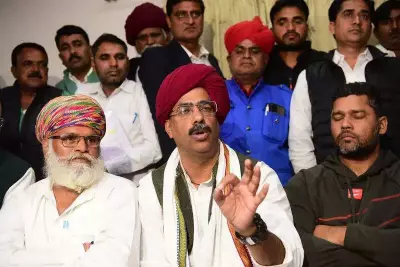
Humayun Kabir, a TMC Member of the Legislative Assembly (MLA) who has been at odds with the party leadership, has stirred a major row. He publicly vowed to rebuild the Babri Masjid at its original site in Ayodhya. Furthermore, Kabir announced plans to orchestrate a blockade on December 6, a date historically associated with the demolition of the mosque in 1992.
His declarations, made independently of the party's official stance, have immediately drawn widespread attention and criticism, injecting a sensitive religious and historical issue into the state's political discourse.
Official TMC Stance: A Clear Distance
In response to the brewing storm, the Trinamool Congress has categorically disassociated itself from Humayun Kabir's actions and statements. Party officials have repeatedly emphasized that the rebel MLA is operating in a "personal capacity."
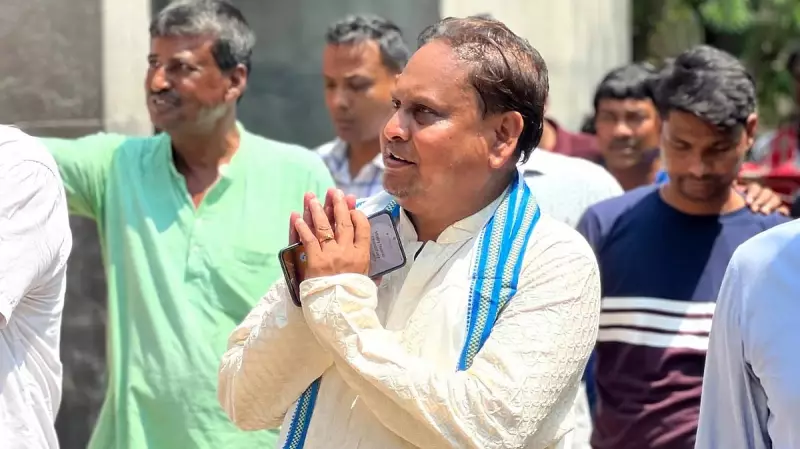
Adding weight to this position, Chief Whip Nirmal Ghosh explicitly stated that the party was "not in touch with him" and did not endorse his provocative calls for a blockade or the reconstruction pledge. This formal separation highlights the party's attempt to contain potential fallout and maintain its official political line on national issues.
Political Repercussions and Analysis
This incident underscores the challenges political parties face with independent actions by dissident members. For the TMC, which positions itself as a party with a distinct secular identity, Kabir's remarks present an unwanted complication.
The party's quick and firm disavowal is a damage-control measure aimed at preventing the episode from being used by political opponents. It also signals strict internal discipline against unauthorized statements on communally sensitive subjects. The development, reported by PTI on December 2, 2025, adds a new layer of complexity to West Bengal's volatile political landscape as different factions navigate their public positions.