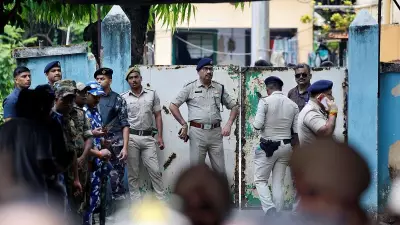
Sabarimala Chief Priest Claims Arrest Is Political Retaliation Over Temple Women Entry Row
The chief priest, or Tantri, of the renowned Sabarimala temple in Kerala has made a startling allegation, claiming that his recent arrest in connection with a gold heist case is a form of political retaliation. This retaliation, he asserts, stems directly from his longstanding and vocal opposition to allowing women of menstruating age to enter the sacred shrine.
Gold Heist Case and Allegations of Retribution
The Tantri was taken into custody by authorities as part of an ongoing investigation into a significant gold theft that occurred at the Sabarimala temple premises. However, in a dramatic turn, the priest has publicly framed his arrest not as a consequence of the criminal investigation, but as a deliberate act of vengeance by political forces. He contends that this move is a direct response to his firm stance against the entry of women into the temple, a highly contentious issue that has sparked widespread debate and legal battles across India.
Defending the 'Nithya Brahmachari' Tradition
Elaborating on his opposition, the Tantri referenced the idol's sacred status as a "Nithya Brahmachari," which translates to eternal celibate. He explained that this theological principle forms the core of his objection to proposals aimed at keeping the Sabarimala temple open on all days of the year, which would inherently facilitate access for women of all ages. "When there were concerted attempts to alter the temple's traditional schedule and keep it open continuously, I raised strong objections based on the idol's established 'Nithya Brahmachari' status," the priest stated, emphasizing that his actions were rooted in religious doctrine and tradition rather than personal bias.

A Broader Context of Temple Politics and Social Change
This development occurs against a complex backdrop where the Sabarimala temple has been a focal point for intense discussions on gender equality, religious freedom, and cultural preservation. The Supreme Court of India's 2018 verdict, which initially allowed women of all ages to enter the temple, was met with massive protests and later saw a review petition. The Tantri's allegations inject a new dimension into this ongoing saga, suggesting that the legal and investigative processes are being weaponized in the broader political and social conflict surrounding the shrine's practices.
Observers note that the case highlights the deep intersections between law, religion, and politics in Kerala. The gold heist investigation itself remains active, with authorities yet to issue a detailed response to the Tantri's claims of retaliatory arrest. As the situation unfolds, it continues to draw national attention, underscoring the sensitive and often volatile nature of temple governance and social reform in contemporary India.