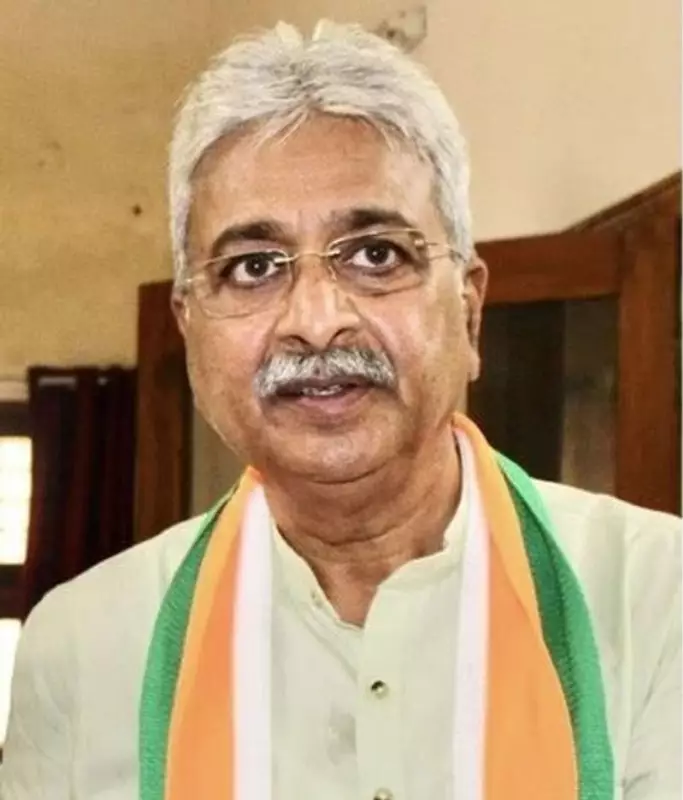
Supreme Court's SYL Canal Ruling Deemed Final by Haryana Congress Leadership
The political landscape in Haryana has been significantly impacted by the recent Supreme Court verdict concerning the Sutlej-Yamuna Link (SYL) canal. The state's Congress chief has made a definitive statement, asserting that the judicial ruling has brought clarity to the decades-old water sharing dispute with neighboring Punjab.
No Room for Additional Negotiations
According to the Haryana Congress president, the Supreme Court's decision is comprehensive and leaves no ambiguity regarding the implementation of the SYL canal project. The leader emphasized that the verdict serves as the ultimate authority on the matter, effectively eliminating any necessity for further bilateral talks between the two states.
The longstanding conflict over water distribution has been a source of tension between Haryana and Punjab for many years. The SYL canal was originally conceived to allocate water from the Ravi and Beas rivers to Haryana, but its construction has faced numerous obstacles and legal challenges over time.

Historical Context of the Water Dispute
The SYL canal dispute traces its origins back to the reorganization of Punjab in 1966, when Haryana was carved out as a separate state. Since then, the issue of water sharing has remained contentious, with multiple attempts at resolution through political negotiations and legal interventions.
The Supreme Court's involvement has been crucial in providing a legal framework for addressing this complex inter-state matter. Previous rulings and ongoing litigation have kept the issue alive in public discourse and political agendas across both states.
Political Implications in Haryana
The Congress party's position, as articulated by its state chief, reflects a strategic approach to capitalize on the judicial outcome. By declaring the verdict as final and beyond further discussion, the party aims to position itself as a firm advocate for Haryana's water rights and interests.
This stance may influence upcoming political dynamics in the state, particularly concerning regional development and resource allocation. The water issue has traditionally been emotionally charged and politically significant for voters in water-scarce regions of Haryana.
Broader Ramifications for Inter-State Relations
The declaration that no more SYL talks are needed could potentially reshape the dialogue between Haryana and Punjab. While the judicial verdict provides legal direction, the practical implementation and ongoing cooperation between the states remain critical factors.
Water resource management continues to be a pressing concern in northern India, with climate change and increasing demand adding complexity to existing allocation agreements. The SYL canal represents just one aspect of the broader challenge of equitable water distribution in the region.
The Congress leadership's firm position underscores the importance of judicial resolutions in settling inter-state disputes while highlighting the political dimensions of resource allocation in federal systems.