Telangana Minister Sounds Alarm Over Centralized Seed Control
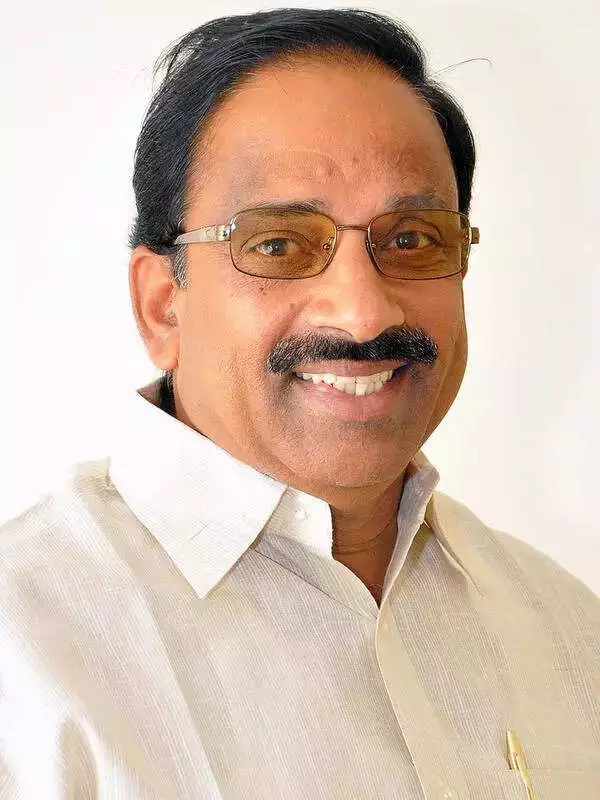
In a strong critique of the proposed central legislation, Telangana's Agriculture Minister Tummala Nageswara Rao issued a stark warning on Friday, stating that the draft Seed Bill 2025 represents an alarming move towards centralization. He asserted that this shift gravely undermines the federal structure of the country and poses significant risks to the agricultural community.
Key Objections to the Draft Legislation
Speaking at a state-level review meeting held at Professor Jayashankar Telangana Agricultural University, Minister Rao expressed his deep concerns. He declared that the proposed law seems intentionally crafted not to aid farmers but to strip state governments of their constitutional powers. He emphasized that while agriculture is a state subject, the Bill systematically transfers crucial decision-making authority to the central government.
The minister highlighted several problematic provisions. One major issue is the clause that permits a license issued by the central authority to be valid across any state. Compounding this, the power to cancel such licenses is also taken away from states, as any cancellation must be recommended to the Centre for final approval. This leaves state governments virtually powerless in regulating seed businesses within their own borders.

Another critical point of contention is price control. The draft legislation reportedly gives no authority to state governments to regulate the prices of seeds, except during declared emergencies. This lack of oversight effectively allows seed companies to set prices freely, which could lead to inflated costs for farmers.
Compensation Gaps and Threats to Local Seeds
Minister Tummala stressed the vital importance of ensuring farmers have access to quality seeds and a robust mechanism for timely compensation when they suffer losses. He pointed out a glaring omission in both the existing 1966 Seed Act and the new draft: there is no provision for compensating farmers who are duped by counterfeit or substandard seeds.
This is a particularly pressing issue for Telangana, which contributes a staggering over 40% of India's total seed production. The state frequently witnesses cases where farmers, after producing seeds for companies under contract, face massive financial losses due to spurious seed claims.
The minister also raised concerns about the neglect of traditional seed varieties. He noted that while organizations working to preserve these indigenous seeds in Telangana receive no support under the bill, the traditional varieties themselves are exempt from regulation. However, he criticized the draft for failing to provide any specific incentives to encourage their conservation and use.
Furthermore, a key objection was raised regarding foreign seed certification. The draft bill permits seeds certified by foreign agencies to be directly imported and sold in India. Minister Rao warned that this clause primarily benefits foreign multinational companies and could severely harm local farmers. He insisted that it is imperative for all foreign seeds to undergo mandatory trials and certification by Indian agencies to prevent the inflow of inferior or fake seeds that are not suited to local conditions.
Call for Amendments to Protect Farmers and States
In his concluding remarks, Tummala Nageswara Rao urged the central government to substantially amend the draft Seed Bill 2025. He called for changes that would genuinely protect farmers' interests, preserve the authority of state governments as per the constitution, and ensure that seed regulation remains connected to ground realities rather than being governed by a distant, centralized control system.