Tamil Nadu Election Manifestos See Strategic Omissions in 2026
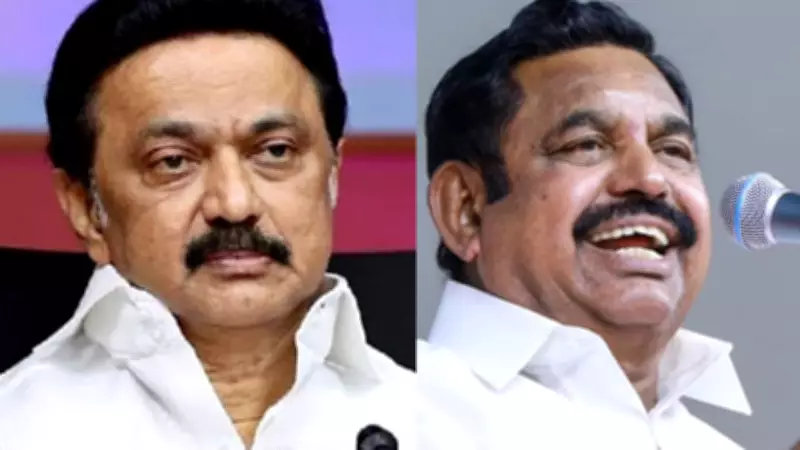
A political party's election manifesto operates much like a carefully selected cricket team, with each promise strategically chosen to deliver maximum electoral impact. In the high-stakes arena of Tamil Nadu politics, both the DMK and AIADMK have made significant alterations to their playbooks for the 2026 elections, benching several previously prominent pledges that once defined their agendas.
DMK's Sethusamudram Project Takes a Backseat
The Sethusamudram shipping canal project, a long-standing DMK commitment backed by former chief ministers M Karunanidhi, C N Annadurai, and K Kamaraj, is conspicuously absent from the party's 2026 manifesto. This ambitious ₹2,000-crore project aimed to dredge a 167-kilometer channel across the Palk Strait, linking the Bay of Bengal and Gulf of Mannar to boost economic development in southern Tamil Nadu districts.
Despite Chief Minister M K Stalin's 2021 assurance that the project would be completed after government formation, the 2026 document makes no mention of it. This omission follows sustained opposition from BJP, which cites concerns about disturbing Ram Setu. Union Minister Nitin Gadkari recently informed Parliament that the government will not disturb the structure and will present an alternative plan to the Supreme Court.

DMK spokesperson Saravanan Annadurai clarified that while the 2026 manifesto focuses on state-specific issues, the Sethusamudram project remains part of their broader goals. "Sethusamudram is one of the projects that's dear to us," Annadurai stated, though he acknowledged its exclusion from the current electoral document.
AIADMK Shifts Away from Jayalalithaa's Legacy
The AIADMK, under Edappadi K Palaniswami's leadership, has notably distanced itself from several key promises made by late party stalwart J Jayalalithaa. Most significantly, the party has omitted Jayalalithaa's pledge to increase Muslim reservation from 3.5% to 7%, despite her having submitted a formal proposal to the minorities welfare commission.
Furthermore, the AIADMK has shifted its stance on the National Eligibility cum Entrance Test (NEET). While Jayalalithaa opposed the medical entrance exam, the 2026 manifesto instead promises high-quality training to help students clear competitive exams. "We are taking a practical approach in our promises," explained a senior AIADMK leader and former minister, highlighting the party's evolving strategy.
Additional Omissions Across Party Lines
Both major Dravidian parties have abandoned several other commitments from previous elections:
- DMK exclusions: Prohibition promises regarding phased closure of TASMAC liquor shops, reconstitution of the Legislative Council, live telecast of assembly proceedings, and reduction of petrol and diesel prices
- AIADMK exclusions: Renaming Madurai International Airport after freedom fighter Muthuramalinga Thevar, a move initially aimed at consolidating Thevar community votes
- Shared omissions: Changing electricity billing cycles from bi-monthly to monthly
Smaller Parties Also Streamline Agendas
The trend of manifesto refinement extends beyond the major parties. Seeman-led Naam Tamilar Katchi has dropped its plan to close cola factories, communist parties have omitted calls to abolish state toll plazas on highways, and the PMK has removed its proposal for the right to recall MLAs from their 2026 documents.
These strategic omissions reflect how Tamil Nadu's political parties are carefully curating their electoral promises, prioritizing pragmatism over legacy commitments as they prepare for the 2026 contest. The manifestos reveal evolving political calculations and changing voter priorities in one of India's most politically dynamic states.