

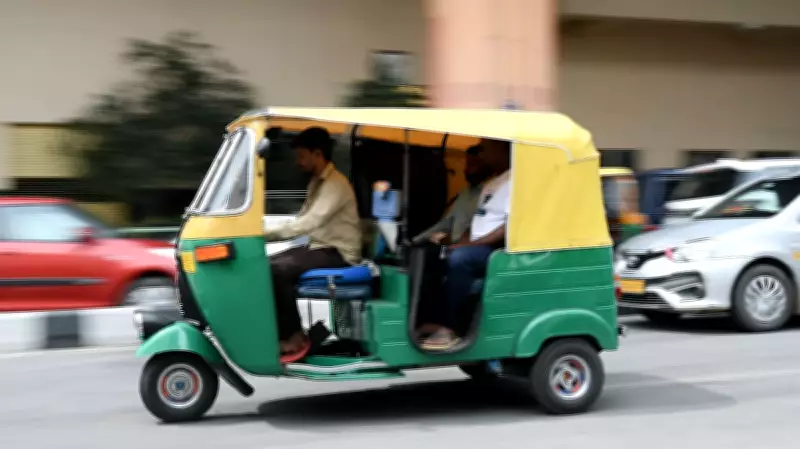
Bengaluru Auto Drivers' Union Rebuts Mohandas Pai's Allegations
The Bengaluru Auto Drivers' Union has issued a firm and detailed response to former Infosys executive Mohandas Pai, who recently criticized auto-rickshaw drivers in the city for alleged overcharging and harassment of passengers. The union's statement comes after Pai's comments sparked widespread discussion on social media and in local media outlets, highlighting ongoing tensions between commuters and auto drivers in India's tech capital.
Union Defends Drivers' Conduct and Challenges Accusations
In a strongly worded rebuttal, the union leaders emphasized that the majority of auto drivers in Bengaluru operate with integrity and adhere to government-mandated fare structures. They pointed out that auto drivers face significant challenges, including rising fuel costs, maintenance expenses, and traffic congestion, which can sometimes lead to fare disputes. The union argued that Pai's blanket criticism unfairly tarnishes the reputation of thousands of hardworking drivers who provide an essential service to the city's residents and visitors.
The union specifically countered Pai's claims by stating:

- Most auto drivers use digital meters and follow official fare charts, with only a small minority engaging in malpractices.
- Drivers often deal with passengers who refuse to pay full fares or cause delays, impacting their daily earnings.
- The union has implemented grievance redressal mechanisms to address passenger complaints promptly.
Context of Mohandas Pai's Comments and Broader Transport Issues
Mohandas Pai, a prominent figure in India's IT industry, made his remarks during a public discussion on Bengaluru's urban infrastructure and transport woes. He cited personal experiences and anecdotal evidence to accuse auto drivers of exploiting passengers, particularly tourists and newcomers to the city. Pai's comments have reignited debates about the reliability and affordability of auto-rickshaws in Bengaluru, a city grappling with rapid urbanization and transport bottlenecks.
The union's response also highlighted broader systemic issues:
- Inadequate public transport options in certain areas force reliance on auto-rickshaws.
- Regulatory gaps and enforcement lapses contribute to occasional fare irregularities.
- Economic pressures on drivers, such as loan repayments for auto purchases, can lead to financial stress.
Union representatives called for a collaborative approach, urging stakeholders like Pai to engage in dialogue rather than public criticism. They proposed joint initiatives with the government and tech companies to improve transparency, such as promoting app-based booking systems and digital payment options to reduce conflicts.
Implications for Bengaluru's Transport Ecosystem
This exchange underscores the persistent challenges in Bengaluru's transport sector, where auto-rickshaws remain a vital last-mile connectivity solution. The union's defense aims to balance accountability with recognition of drivers' contributions to the city's mobility. As Bengaluru continues to expand, resolving such disputes is crucial for fostering a more efficient and user-friendly transport network. The incident may prompt renewed efforts by authorities to streamline fare regulations and enhance commuter-driver relations through awareness campaigns and stricter oversight.






