Senior Congress Leader Naseemuddin Siddiqui Resigns from Party in Uttar Pradesh
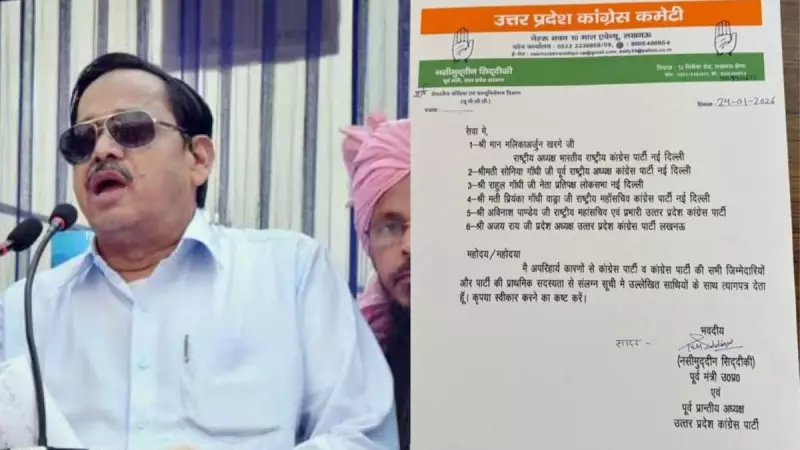
In a significant development for the political landscape of Uttar Pradesh, senior Congress leader Naseemuddin Siddiqui has tendered his resignation from the party. This move is seen as a major setback for the Uttar Pradesh Congress, which has been grappling with internal challenges and a lack of cohesive direction in recent times.
Details of the Resignation
Naseemuddin Siddiqui, a prominent figure within the Congress party in Uttar Pradesh, submitted his resignation citing dissatisfaction with the party's current state and its inability to effectively address key issues. His departure is expected to have far-reaching implications for the party's organizational structure and electoral prospects in the state.
Siddiqui has been a vocal member of the Congress for many years, often raising concerns about the party's strategies and leadership decisions. His resignation underscores the growing discontent among senior leaders, who feel that the party is losing its grip on ground-level politics in Uttar Pradesh.

Impact on Uttar Pradesh Congress
The resignation of Naseemuddin Siddiqui is likely to weaken the Congress party's position in Uttar Pradesh, a state where it has been struggling to regain political relevance. This development comes at a critical juncture, as the party prepares for upcoming elections and seeks to rebuild its base.
Key impacts include:
- Organizational Vacuum: Siddiqui's exit creates a leadership void in certain regions, potentially affecting party operations and voter mobilization efforts.
- Morale Dip: The resignation may demoralize other party workers and leaders, leading to further defections or internal strife.
- Electoral Challenges: With a seasoned leader like Siddiqui leaving, the Congress might face difficulties in crafting effective campaigns and connecting with diverse voter segments.
Reasons Behind the Move
While specific reasons for Siddiqui's resignation have not been fully disclosed, insiders suggest that it stems from a combination of factors:
- Internal Discord: Persistent disagreements with the party's high command over policy matters and strategic approaches.
- Lack of Empowerment: Feelings of being sidelined or not having a significant say in decision-making processes.
- Future Prospects: Concerns about the party's ability to offer a viable alternative to ruling parties in Uttar Pradesh.
This resignation highlights the ongoing turmoil within the Congress party, as it attempts to navigate complex political dynamics and revive its fortunes in one of India's most crucial states.
Broader Political Implications
The departure of Naseemuddin Siddiqui from the Congress is not just an isolated incident but part of a larger trend of senior leaders exiting the party. It raises questions about the Congress's capacity to retain its veteran members and present a united front in the face of mounting challenges.
Political analysts believe that such resignations could prompt a reevaluation of the party's strategies and leadership models. For the Uttar Pradesh Congress, this is a moment of introspection, as it must address internal grievances and rebuild trust among its ranks to stay competitive in the political arena.