UP Deputy CM Brajesh Pathak Launches Scathing Attack on Opposition Parties
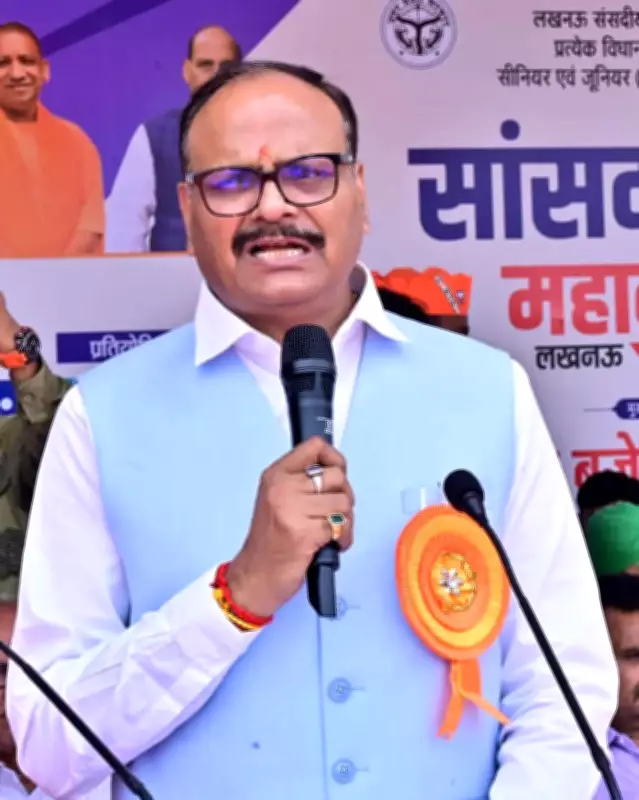
In a significant political development, Uttar Pradesh Deputy Chief Minister Brajesh Pathak on Monday launched a sharp and comprehensive attack on opposition parties through a detailed post on social media platform X. The senior BJP leader leveled serious allegations against rival political groups, accusing them of promoting dynasty politics, engaging in appeasement tactics, and practicing divisive governance that he claims undermines the state's progress.
Criticism of Dynasty Politics and Political Inheritance
Pathak delivered particularly pointed criticism regarding what he described as the opposition's reliance on political inheritance. The Deputy CM asserted that leaders who inherit power without undergoing grassroots struggle fundamentally lack understanding of the challenges faced by individuals from ordinary backgrounds in building political identities. He emphasized that such political inheritance creates a disconnect between leadership and common citizens, stating these remarks reflect what he characterized as a "reactionary and immature political mindset" prevalent among opposition ranks.
Allegations of Appeasement Politics and Religious Sentiments
The Deputy Chief Minister further intensified his criticism by accusing opposition leaders of indulging in what he termed appeasement politics. Pathak claimed that these political figures had systematically distanced themselves from Hindu sentiments while pursuing selective political conduct. He highlighted what he described as glaring inconsistencies in opposition stances on cultural and religious issues, suggesting a pattern of political opportunism rather than principled governance.

References to Past Controversies and Cultural Issues
In his comprehensive critique, Pathak referenced past controversies involving opposition figures, specifically alleging that leaders associated with rival parties had shown disrespect toward revered religious texts like the Ramcharitmanas. He questioned their authority to comment on Sanatan traditions, suggesting their actions demonstrated insufficient reverence for India's cultural heritage. This portion of his statement connected contemporary political criticism with broader cultural and religious discourse in the state's political landscape.
Questioning Opposition's Commitment to Marginalized Communities
Pathak also targeted the opposition's political narrative focused on backward classes, Dalits, and minorities, often referred to as "PDA" (Pichhda, Dalit, Alpsankhyak). He raised serious questions about their genuine commitment to these communities, suggesting their advocacy might be more rhetorical than substantive. The Deputy CM contrasted this with what he presented as the BJP government's concrete achievements in serving all sections of society.
Defense of Current Leadership and Governance Record
In a strong defense of the current administration, Pathak asserted that Uttar Pradesh is progressing steadily under the dual leadership of Chief Minister Yogi Adityanath and Prime Minister Narendra Modi. He cited specific improvements in law and order conditions and highlighted numerous ongoing development initiatives across the state. The Deputy CM emphasized that tangible governance outcomes speak louder than political rhetoric, stating clearly: "Rumours cannot change reality, and misinformation cannot drive development. Our focus remains on service, governance and fulfilling public trust."
Political Context and Timing of Remarks
These pointed remarks come amid intensifying political exchanges in Uttar Pradesh ahead of upcoming electoral contests. The state's political landscape has become increasingly charged as different parties position themselves for future electoral battles. Pathak's comprehensive critique represents a significant escalation in political rhetoric from the ruling party, addressing multiple dimensions of what BJP leaders perceive as opposition weaknesses.
The Deputy Chief Minister's statement covers several critical themes in contemporary Indian politics:

- The debate over political inheritance versus grassroots leadership
- Allegations of selective appeasement in political strategy
- Questions about cultural and religious consistency in political conduct
- Scrutiny of opposition commitment to marginalized communities
- Contrast between political rhetoric and governance outcomes
This multi-faceted attack reflects the BJP's strategy of maintaining political momentum in India's most populous state while countering opposition narratives. The detailed nature of Pathak's criticism suggests careful preparation and indicates how the ruling party plans to frame political debates in the coming months, particularly around issues of governance credibility, cultural authenticity, and representation.