Vasai Floods Again: Salt-Pans Submerged, Madhuban Worst-Hit
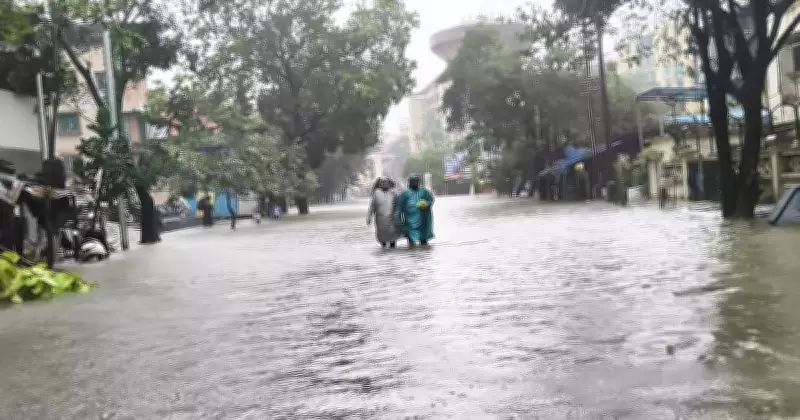
Vasai, a coastal town in Maharashtra's Palghar district, has once again been inundated by severe flooding, with residents wading through knee-deep and waist-deep waters in many localities. The upcoming posh Madhuban locality emerged as the worst-affected area, while the adjacent salt-pans are completely submerged, according to reports on July 6, 2026.
Recurring Flooding: Encroachments and Poor Drainage Blamed
Local authorities and environmentalists attribute the repeated flooding to the encroachment of salt-pans and natural water channels, coupled with inadequate drainage infrastructure. The salt-pans, which historically acted as natural sponges absorbing excess rainwater, have been steadily built upon, reducing their capacity to hold water. This has led to waterlogging even after moderate rainfall.
Impact on Madhuban and Surrounding Areas
In Madhuban, a rapidly developing residential area, floodwaters reached waist-deep levels, forcing residents to abandon vehicles and seek higher ground. Many homes and commercial establishments suffered water damage. The situation was compounded by the overflow of local rivers and creeks, which could not drain into the sea due to blocked outlets.

Government Response and Long-Term Solutions
The Palghar district administration has deployed rescue teams and set up relief camps, but residents demand permanent solutions. Officials have promised to clear encroachments and upgrade the drainage network, but critics argue that previous promises have not been fulfilled. According to a local activist, "Every year the same areas flood, and every year authorities make the same promises. We need action, not words."
Climate Change and Urbanization Exacerbate Crisis
Environmental experts note that climate change has intensified rainfall patterns, while rapid urbanization has replaced permeable surfaces with concrete, worsening runoff. The situation in Vasai mirrors challenges faced by many coastal towns in Maharashtra, where development often outpaces infrastructure upgrades.