Ukrainian Billionaire's $200K Gesture for Banned Olympic Athlete
In a powerful display of solidarity, Rinat Akhmetov, Ukraine's wealthiest billionaire, has donated more than $200,000 to skeleton racer Vladyslav Heraskevych. This significant financial support comes after the athlete was banned from competing in the 2026 Winter Olympics in Milan and Cortina, Italy, due to a controversial helmet he wore to honor Ukrainian sportspeople killed during the Russia-Ukraine war.
The 'Helmet of Remembrance' That Sparked Olympic Controversy
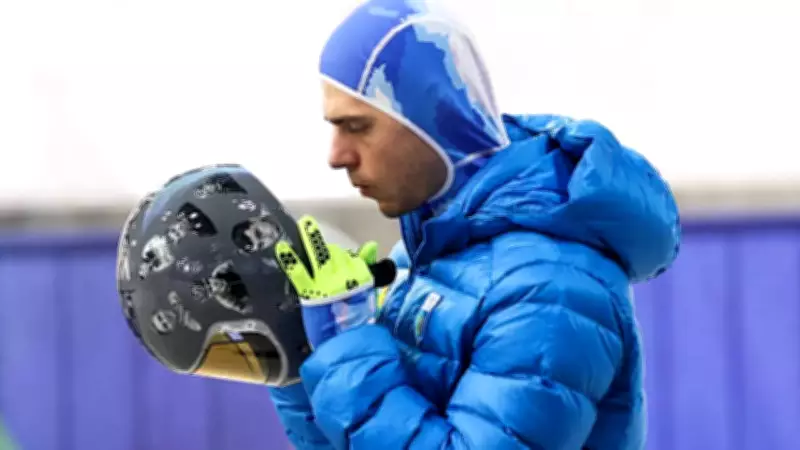
The International Olympic Committee (IOC) banned 27-year-old Heraskevych, who served as Ukraine's flag bearer, for refusing to remove his specially designed 'helmet of remembrance.' This helmet featured images of 24 Ukrainian athletes who lost their lives since Russia's invasion in 2022, including teenage weightlifter Alina Perehudova, boxer Pavlo Ischenko, ice hockey player Oleksiy Loginov, actor-athlete Ivan Kononenko, diver-coach Mykyta Kozubenko, shooter Oleksiy Habarov, and dancer Daria Kurdel.
The IOC cited Rule 50.2 of the Olympic Charter, which prohibits "any kind of demonstration or political, religious or racial propaganda in Olympic sites, venues or other areas." Despite training with the helmet for days before the competition, Heraskevych was informed he couldn't use it during actual events.

Legal Battle and Akhmetov's Patriotic Response
Heraskevych appealed to the Court of Arbitration for Sport against the International Bobsleigh and Skeleton Federation's ruling that he breached athlete expression guidelines. Unfortunately, he lost his case just hours before the final two runs of his competition.
Enter Rinat Akhmetov, owner of Ukrainian football club Shakhtar Donetsk, who declared Heraskevych "a true winner" despite his Olympic exclusion. The $200,000 donation equals what Ukraine pays athletes who win Olympic gold medals, making it both symbolic and substantial support for the skeleton racer's future career.
"Vlad Heraskevych was denied the opportunity to compete for victory at the Olympic Games, yet he returns to Ukraine a true winner," Akhmetov stated in a club announcement. "The respect and pride he has earned among Ukrainians through his actions are the highest reward. I want him to have enough energy and resources to continue his sporting career and fight for truth, freedom, and remembrance of those who gave their lives for Ukraine."
IOC's Stance and War Context
IOC spokesperson Mark Adams explained during a February 10 press conference in Milan: "The IOC fully understands the desire of athletes to remember friends and colleagues who have lost their lives in that conflict, and in many other difficult conflicts worldwide. It's fundamental that there are equal rights for all athletes and that games remain separated from political interference."
Adams added that while the helmet contravened guidelines, the IOC made an exception to allow Heraskevych to wear a black armband during competition—a compromise that emerged after discussions.
This incident occurs against the devastating backdrop of the ongoing Russia-Ukraine war. According to a Washington-based Center for Strategic and International Studies (CSIS) report, approximately 600,000 Ukrainian troops have been killed, wounded, or gone missing. The UN High Commissioner for Human Rights verified 55,600 civilian casualties as of December 31, 2025.
Akhmetov's donation not only supports an individual athlete but also highlights the broader human cost of the conflict, emphasizing how sports and remembrance intersect during times of national crisis.