The Physical Foundations of Boxing Success
In the demanding world of professional boxing, physical attributes like height, reach, and overall frame play a crucial role in determining a fighter's optimal style and strategic advantages within the ring. These elements fundamentally influence how a boxer moves, manages distance, and executes their game plan against opponents.
Contrasting Champions: Inoue and Picasso
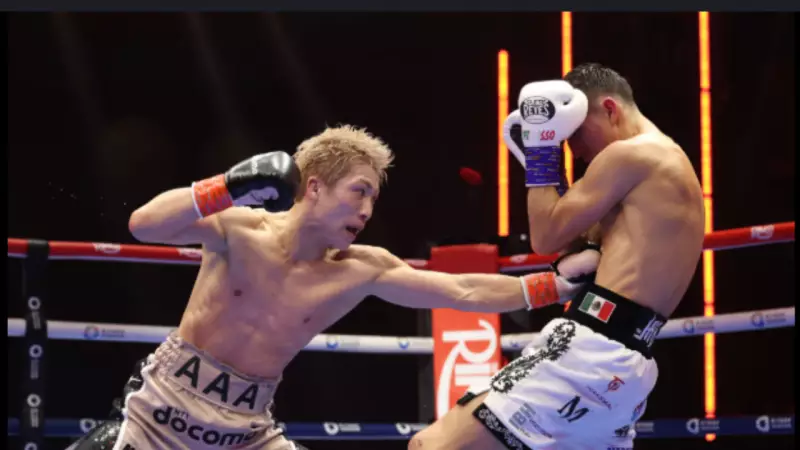
Naoya Inoue, famously known as "The Monster," stands at 5 feet 5 inches (165 cm). While not the tallest competitor in his weight division, Inoue compensates with extraordinary attributes that have cemented his legacy. His compact stature allows for explosive power generation, blinding speed, and pinpoint accuracy when connecting with opponents. This physical profile enables him to close distance rapidly, apply relentless pressure, and deliver punches with devastating intensity, making him one of the most formidable pound-for-pound fighters in history.
In contrast, Alan Picasso possesses a height advantage at just over 5 feet 8 inches (173 cm). His taller frame and naturally longer reach provide him with a significant tactical edge in controlling the pace and space of a bout. Picasso expertly utilizes his physical gifts to maintain optimal distance, employing a sharp and effective jab to keep opponents at bay. This strategy allows him to dictate the tempo, set up combinations from a safer range, and minimize the risk of counterattacks.

The Impact of a Three-Inch Difference
The approximate three-inch height disparity between Inoue and Picasso, while seemingly minor, becomes profoundly impactful in the lighter weight classes. In these divisions, where fighters are closely matched in size, even slight physical advantages can translate into major strategic benefits. Every inch of reach or height can alter defensive positioning, offensive opportunities, and the overall dynamic of the match.
How Physical Dissimilarities Shape Fight Outcomes
Naoya Inoue's success is built upon his explosive, inside-fighting style. His lower center of gravity enhances his balance, facilitates agile head movement, and improves his defensive capabilities. This allows him to skillfully evade longer jabs from taller opponents and retaliate with crippling body shots and precise head strikes. His ability to overcome reach disadvantages through power, impeccable timing, and high ring intelligence demonstrates that physical stature alone does not guarantee victory.
Alan Picasso's approach is characterized by a more technical, rangy methodology supported by his taller build. He leverages his height to control the distance, forcing opponents to take risks when closing in. This positional control creates openings for effective counterpunching and allows him to influence the bout's progression by dominating the spatial dynamics of the ring.
The Ultimate Boxing Truth
This comparison between two elite fighters underscores a fundamental truth in boxing: success is not solely determined by size. Naoya Inoue's dominance proves that attributes like raw power, strategic timing, and superior fight IQ can effectively neutralize physical disadvantages. Conversely, Alan Picasso's physical profile enables him to command space and strategically steer the course of a match. Together, their careers highlight the intricate interplay between innate physical gifts and honed technical skills in the pursuit of boxing excellence.