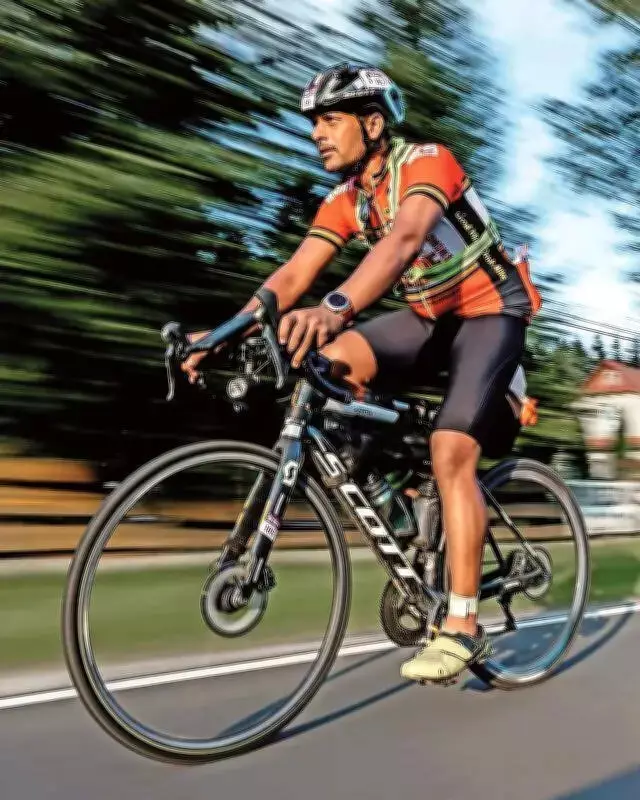
Nagpur: Every morning, before traffic tightens its grip on the city, a few cyclists quietly take to the roads. No slogans, no roadblocks, just the soft whirr of wheels cutting through still air. These rides are not routine, but reminders that cleaner air, quieter streets, and a healthier way of life seem to be slipping away.
As the sun rises, roads fill up, engines roar to life, and the city returns to its familiar rhythm of congestion and haste. In that transformation lies the story of India's urban dilemma, cities built increasingly for vehicles, leaving little room for anything else. Vehicles use millions of litres of fuel each day, placing enormous pressure on both the environment and the economy. Also, sedentary lifestyle is leading to an increase in diseases such as diabetes, hypertension, and heart conditions.
In this context, cycling is being rediscovered, not as a nostalgic throwback, but as a practical and necessary solution. It offers zero emissions, low cost, and accessibility across age and income groups. It can help ease congestion, reduce pollution, and improve health.

Yet, sharing roads with fast-moving traffic, navigating poorly designed intersections, and dealing with absence of basic infrastructure make everyday cycling a tough choice. For most cyclists, the biggest challenge is not distance or endurance, but safety. Dedicated cycling lanes are rare, and where they do exist, they are often fragmented or encroached upon. Secure parking facilities are limited, discouraging people from using cycles for daily commuting. Roads are rarely designed with non-motorised users in mind.
In Nagpur, cyclists are speaking about the need for safer roads and better planning. A signature campaign led by cyclist Amit Samarth has added momentum to this conversation. "Our proposal includes integrating continuous cycling lanes into road networks, introducing traffic-calming measures to reduce vehicle speeds, and creating pedestrian-friendly spaces that encourage non-motorised movement," he told TOI. One of the suggestions is reserving a significant portion of road space for cycling and walking.
Ironman Rajendra Jaiswal said he sometimes goes to his workplace on a cycle, wearing formal clothes, leaving his colleagues perplexed. "Dedicated cycling corridors — long, uninterrupted stretches — are being explored as a way to provide safe and accessible spaces. Such corridors could also serve as spaces that promote recreation and fitness," Jaiswal said. He cited example of Amsterdam of good cycling infrastructure. Also, there is a need to change how people think about mobility, say the cyclists, adding that encouraging cycling through school programmes, workplace initiatives, and community engagement can help normalise it as part of daily life.