NHL 2025-26 Season Emerges as One of the Most Violent in Recent History
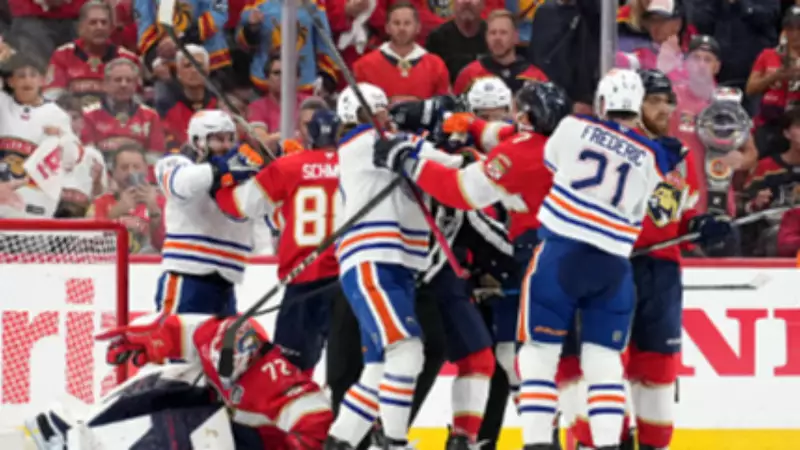
The 2025-26 National Hockey League season has rapidly gained a reputation as one of the most physically aggressive and violent campaigns in recent memory. What was once considered periodic or sporadic aggression has now evolved into a regular and expected element of gameplay. Throughout the league, tensions frequently erupt into full-blown confrontations, with fights and heavy body checks becoming central topics of discussion among fans, analysts, and players alike.
From High-Stakes Games to Emotionally Charged Battles
Players across all teams are engaging in scrums and altercations with unprecedented frequency. These physical encounters are not merely isolated moments that influence the immediate outcome of a match; they are actively shaping team tactics and strategies as the season progresses. The increased emphasis on rough play is forcing coaches to adapt their game plans, often incorporating more enforcers and physical players into their lineups to match the intensified style of competition.
Notable Incidents Highlighting the Season's Aggressive Tone
Several high-profile incidents have underscored the violent trend this season. One of the most talked-about altercations occurred when Vancouver Canucks defenseman Nikita Zadorov delivered a brutal boarding hit on Toronto Maple Leafs captain John Tavares. This illegal check quickly escalated into a heated battle, further intensified by the intervention of Jagger Joshua, leading to a full-scale fight that has sparked significant debate about player safety and league discipline.

Another major confrontation took place during a game between the Edmonton Oilers and the Dallas Stars. An ugly incident involving superstar Connor McDavid and Trent Frederic erupted into a full-team scrum, drawing particular attention because McDavid is traditionally known for his exceptional skill and finesse rather than his involvement in physical fights. This event signaled a shift in how even the league's most talented players are being drawn into the fray.
Retaliation and the Unspoken Rules of Hockey
The season has also seen numerous retaliation fights, highlighting the unspoken code within hockey culture. One prominent example involved Nick Foligno and Scott Sabourin exchanging fists after Foligno delivered a hard punch to Quinn Hughes. Such incidents demonstrate how players often feel compelled to retaliate physically to defend teammates and maintain a perceived balance or respect on the ice. This cycle of retribution contributes to the escalating violence, as teams seek to establish dominance and protect their stars.
Goaltenders Entering the Fray
The physicality has extended beyond skaters, with even goaltenders occasionally abandoning their creases to join scrums, particularly during games in February and March. While these moments are dramatic and relatively rare, they add to the growing list of physical encounters that define this season. The involvement of goalies, who are typically shielded from such altercations, further emphasizes the pervasive nature of the aggression.
Impact on League Dynamics and Future Outlook
These fights and heavy hits have become a constant theme, influencing team momentum and mindset throughout the season. Each collision and confrontation is shaping the narrative of the 2025-26 NHL, marking it as a year defined by heightened violence, intense competition, and a noticeable increase in rough play. As the playoffs approach, the league faces questions about whether this trend will continue or if measures will be implemented to curb the aggression, balancing the traditional physicality of hockey with player safety and sportsmanship.