Terrell Owens Enters Bills' Coaching Controversy with Strong Take
The Buffalo Bills' offseason has been marked by significant turbulence and intense debate following the franchise's decision to part ways with head coach Sean McDermott. As fans continue to grapple with understanding this pivotal move, a prominent voice from the team's history has emerged with a forceful perspective that challenges the organization's direction.
Owens Defends McDermott, Points Finger at Quarterback Performance
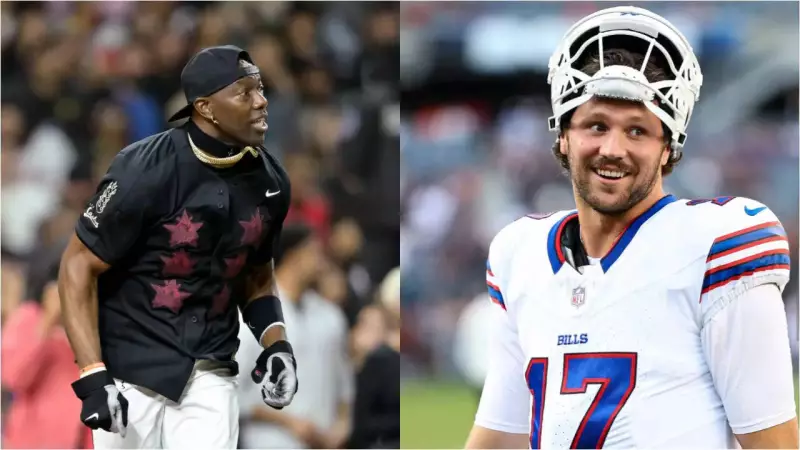
Former Bills wide receiver Terrell Owens has made his position unmistakably clear regarding how Buffalo handled the aftermath of their latest playoff disappointment. The outspoken Hall of Famer, never one to remain silent on controversial matters, believes the franchise's focus should shift away from coaching changes and instead examine what transpired during actual gameplay. His comments have reignited a difficult but necessary conversation for the organization: was the coaching staff truly responsible for the playoff exit, or did player execution falter at the most critical moments?
Owens has been particularly active on social media platforms, even supporting a petition advocating for McDermott's reinstatement. From his vantage point, Buffalo's coaching staff fulfilled their responsibilities by adequately preparing the team and positioning quarterback Josh Allen for success. The breakdown, according to Owens, occurred during the game itself when opportunities were squandered.

A Blunt Assessment from a Former Player
In one particularly candid social media post, Owens summarized his viewpoint with characteristic directness, writing: "Just being objective, but from where I sit, Sean didn't make those turnovers." He carefully noted that his criticism wasn't personal in nature, yet he didn't hesitate to assert that the quarterback must ultimately accept responsibility when postseason mistakes accumulate.
Owens' perspective carries additional weight due to his personal history with the Bills organization. He played for Buffalo during the 2009 season and remains one of the most accomplished receivers in NFL history. More significantly, he credits McDermott with orchestrating the franchise's transformation, ending an 18-year playoff drought and establishing the Bills as consistent AFC contenders.
A Season of Missed Opportunities
In Owens' assessment, the past season represented a squandered chance for championship glory. He believes the roster composition and momentum were sufficient to mount a legitimate Super Bowl challenge, but that opportunity evaporated due to costly errors at inopportune moments. This perspective aligns with statistical evidence from Buffalo's divisional round loss to the Denver Broncos, where despite throwing for 283 yards and three touchdowns, Allen also committed two interceptions, lost two fumbles, and absorbed three sacks.
Allen himself hasn't attempted to evade accountability for the playoff defeat. Following the emotional loss, the quarterback openly acknowledged his role in the outcome, stating: "I feel like I let my teammates down tonight." This admission of responsibility creates an interesting dynamic as Owens continues questioning the decision to dismiss McDermott.
Buffalo's Complicated Coaching Search
While this debate continues, the Bills organization faces a challenging coaching search that has already encountered obstacles. The process suffered an early setback when Mike McDaniel withdrew from consideration after accepting a position with the Los Angeles Chargers. Buffalo now evaluates alternative candidates as they seek the appropriate leader to guide a talented yet frustrated roster toward championship aspirations.
With Allen accepting responsibility for his postseason performance and former players like Owens challenging front office decisions, the Bills enter another crucial offseason still pursuing the Super Bowl breakthrough that has remained frustratingly elusive. The organization must navigate these competing narratives while building a foundation for future success.