Insurance Conflicts Cast Shadow Over Puerto Rico's 2026 World Baseball Classic Hopes
The anticipation surrounding the upcoming 2026 World Baseball Classic is being tempered by growing uncertainty, particularly for Team Puerto Rico, which risks losing several of its marquee players due to complex insurance disputes. These conflicts, stemming from expensive, multi-year Major League Baseball contracts, have already prompted notable withdrawals, threatening to undermine the team's competitive edge and raising fundamental questions about the delicate balance between national pride and professional economic security in modern sports.
Star Shortstop Francisco Lindor's Withdrawal Deals Major Blow
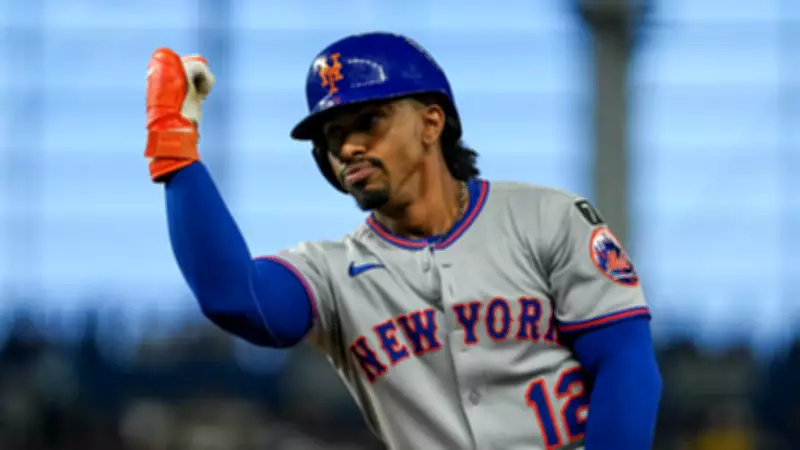
The preparations of Puerto Rico suffered a severe setback when star shortstop Francisco Lindor was sidelined not by injury, but by insurance constraints. Despite being medically cleared to participate in the upcoming MLB season, Lindor could not secure coverage that would protect his lucrative long-term contract in the event of an injury sustained during the World Baseball Classic. His absence deprives the team of a cornerstone player, both in terms of on-field performance and veteran leadership, creating a significant void in the roster.
This insurance dilemma extends far beyond a single individual. Lindor's situation is emblematic of a broader pattern affecting other high-profile Puerto Rican players, where insurers are increasingly reluctant to assume risks associated with extensive injury histories or the sheer financial magnitude of modern MLB agreements. These collective withdrawals have forced Puerto Rican team officials into a comprehensive reassessment of their lineup depth, leadership structure, and overall tournament expectations well ahead of the 2026 deadline.

Broader Implications for the Future of International Baseball
The ongoing crisis in Puerto Rico has ignited a critical debate about the viability of premier international tournaments within the contemporary landscape of professional sports economics. The challenge of navigating insurance obstacles is becoming a pervasive issue for elite players who wish to represent their countries while being bound by the terms of their MLB commitments.
This dynamic risks altering the competitive balance of tournaments like the World Baseball Classic, potentially sidelining both seasoned veterans and emerging national talents. The disruption is especially poignant for a baseball-loving nation like Puerto Rico, where the sport is deeply intertwined with cultural identity. The situation underscores an urgent need for tournament organizers, MLB stakeholders, and insurance providers to re-examine and reform the current frameworks governing player participation.
Without meaningful systemic changes to address these insurance and contractual conflicts, the World Baseball Classic faces a future where its star power, global popularity, and overall appeal could be significantly diminished. The 2026 edition may serve as a pivotal test case for the tournament's ability to adapt and thrive alongside the economic realities of top-tier professional baseball.