Stephen A. Smith Sets the Record Straight on Pat Riley Comments
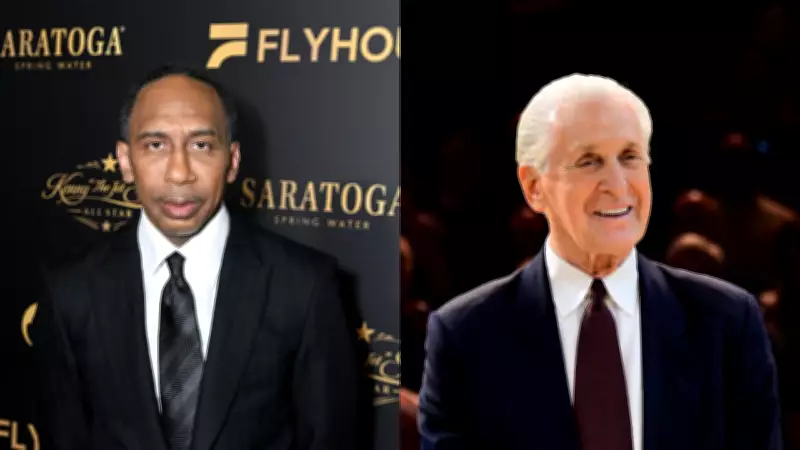
NBA analyst Stephen A. Smith has recently clarified his controversial 2025 statement calling for Miami Heat president Pat Riley to step away from his role. During a recent episode of ESPN's First Take with Shae Cornette, Smith broke his silence to explain the true intent behind his remarks, emphasizing that he did not advocate for Riley's dismissal but rather a strategic transition.
What Smith Actually Meant by Asking Riley to Step Away
Smith stated, "When I talked about him stepping away, I wasn't talking about him stepping down as if he deserves to be fired." Instead, he elaborated that he envisioned Riley moving into a more senior, merit-based position to allow a younger protégé, such as current Heat coach Erik Spoelstra, to take on greater responsibilities. Smith highlighted Riley's age, noting, "He's in his 80s now and going out and recruiting people to come to Miami isn't as easy as it once was." He added that it's time for Riley to "step upstairs and pave the room for somebody, a young protege" who can handle the workload, referencing Spoelstra's potential as a future Hall of Famer and Team USA coach.
Pat Riley's Unmatched Legacy in the NBA
Pat Riley's career in the NBA is legendary, though not primarily as a player. His on-court experience with several teams shaped his coaching philosophy, which he applied to great success. As a head coach, Riley led the Los Angeles Lakers to four NBA championships during their golden era and guided the Miami Heat to a championship in 2006. In his executive role as Heat president since 1995, he has overseen the team's strategy, leading them to four consecutive NBA Finals and two championships, cementing a dynasty. Recently, the Lakers honored his legacy by unveiling a statue at Crypto.com Arena in Los Angeles.

The Context of Riley's Role and Smith's Critique
As president of the Miami Heat, Pat Riley manages basketball operations and long-term team strategy. However, Smith's initial critique stemmed from concerns that Riley might no longer be as effective in attracting players to the team. Despite this, Smith acknowledged Riley's deep understanding of the game and his successful track record. The clarification aims to reframe the discussion around succession planning rather than criticism of Riley's abilities, underscoring the importance of adapting roles as executives age in the fast-paced NBA environment.