The Perils of Premature Hype in Indian Badminton
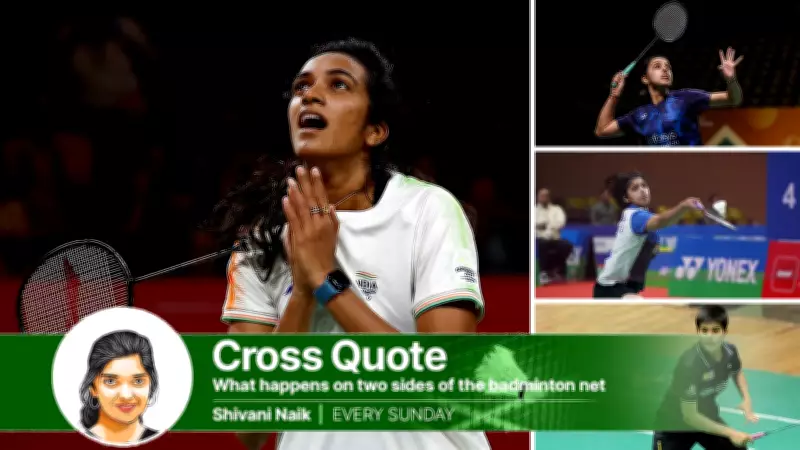
In the dynamic world of Indian badminton, the emergence of a new generation of talented juniors is undoubtedly a cause for celebration. Names like Tanvi Sharma, Unnati Hooda, Anmol Kharb, Devika Sihag, and Rakshitha Sree are increasingly making headlines, sparking discussions about who might follow in the footsteps of legends Saina Nehwal and PV Sindhu. However, a critical examination reveals that rushing to anoint any youngster as the heir apparent could be detrimental to both the athletes and the sport itself.
The Market's Demand for Packaged Personalities
Marketeers and broadcasters often seek packaged personalities to drive narratives and boost viewership. Their approach tends to be dynastic, focusing on identifying successors to established stars. While this strategy worked seamlessly when PV Sindhu emerged as a natural successor to Saina Nehwal, replicating such a scenario is neither feasible nor advisable at present. The current landscape lacks an heir with the undeniable prowess of a player like An Se-young, making premature declarations a disservice to the young talents.
Assessing the Current Contenders
The temperaments and physical conditioning of India's promising juniors are still evolving. For instance, Devika Sihag has shown immense potential, recently defeating a Top 20 opponent in Thailand, but she remains largely untested in terms of fitness and consistency at the highest levels. Similarly, Tanvi Sharma's performance at the World Juniors highlighted the gap in international rigor and physical demands required to sustain success week after week.

Anmol Kharb and Unnati Hooda exhibit solid temperaments and confidence, yet the challenges of maintaining a good run and backing up upset wins with titles, as seen in 2025, underscore the difficulties ahead. The hype machine, fueled by player management agencies and unrealistic expectations, risks inflating egos and monopolizing resources, leading to potential crashes when results falter.
The Power of a Collective Approach
India's strength lies in its depth of talent, akin to China's model where a pack of challengers can surge collectively. The 2017 monsoon season in men's singles badminton serves as a prime example, with players like Sai Praneeth, Kidambi Srikanth, and HS Prannoy supporting each other's successes. This collective effort, rather than relying on a single anointed star, can lead to sustained podium finishes and reduce the risk of stagnation if one player loses form or faces injuries.
Letting Talent Prove Itself First
The key to nurturing India's badminton future is patience. Young shuttlers should be allowed to develop at their own pace, without the burden of premature hype. Until they achieve significant milestones, such as winning a Super 500 or Super 750 title or securing an Asian Games medal, it is prudent to hold back on crowning a successor. Marketers may need projects, but Indian badminton, as evidenced by the last five years, ultimately needs consistent performance and results.
In conclusion, while the excitement around India's badminton juniors is justified, a measured approach that prioritizes long-term development over short-term market demands will ensure a brighter future for the sport. Let these athletes prove their mettle on the court before we rush to label them as the next big thing.