Atul Wassan Speaks Out on Pakistan Boycott Calls for T20 World Cup Clash
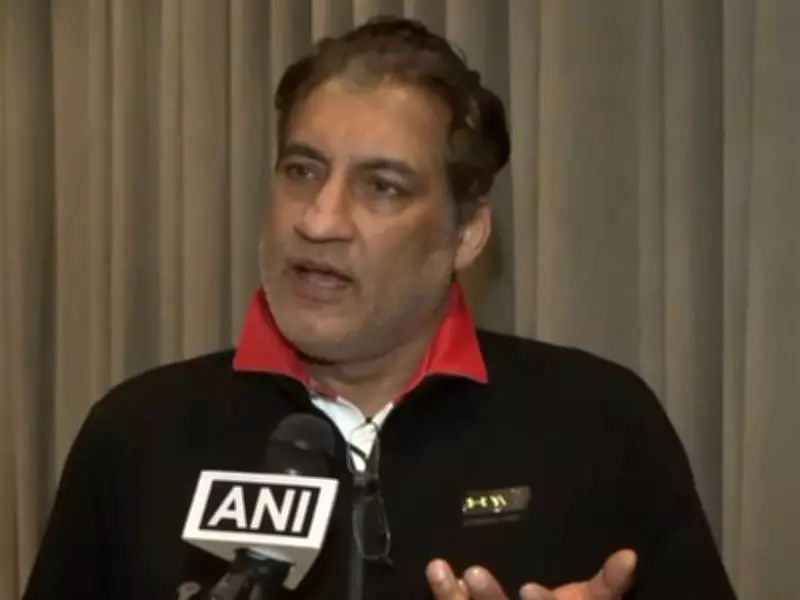
Former Indian cricketer Atul Wassan has recently voiced his concerns regarding the growing calls from certain groups to boycott the highly anticipated group stage match between India and Pakistan in the upcoming T20 World Cup. In a candid discussion, Wassan highlighted what he describes as a "misconception" driving these boycott demands, shedding light on the complex interplay between sports and international relations.
The Misconception Behind the Boycott Movement
According to Wassan, the push to boycott the cricket match stems from a fundamental misunderstanding of the role sports can play in diplomacy and global engagement. He argues that such actions are based on emotional reactions rather than a strategic approach to fostering dialogue and understanding between the two nations. Wassan emphasized that cricket, as a unifying sport, has historically served as a bridge during tense periods, and boycotting could undermine these efforts.
He pointed out that the T20 World Cup provides a neutral platform where athletes from both countries can compete with sportsmanship and respect, potentially easing political tensions. Wassan believes that isolating Pakistan through a boycott might send the wrong message internationally, portraying India as unwilling to engage in peaceful competition.

Historical Context and Sports Diplomacy
Reflecting on past encounters, Wassan noted that India-Pakistan cricket matches have often been more than just games; they are events that capture the attention of millions and can influence public sentiment. He cited examples where cricket has facilitated informal diplomacy, allowing for moments of camaraderie and mutual respect despite ongoing political disputes.
Wassan stressed that in today's globalized world, sports events like the T20 World Cup offer opportunities for cultural exchange and dialogue. By participating, India can demonstrate its commitment to fair play and international cooperation, which he argues is crucial for maintaining a positive image on the world stage.
Implications for the T20 World Cup and Beyond
The former cricketer warned that a boycott could have far-reaching consequences, not just for the tournament but for future sporting engagements between India and Pakistan. It might set a precedent that could isolate Indian athletes and affect the country's standing in international sports bodies. Wassan urged fans and policymakers to consider the broader impact, advocating for a focus on the game itself rather than letting political tensions dictate sports participation.
In conclusion, Atul Wassan's remarks serve as a reminder of the power of sports to transcend boundaries. By addressing the misconception behind boycott calls, he hopes to encourage a more nuanced perspective that values competition and diplomacy over division.