Avram Glazer: The Steadfast Architect of Manchester United's Ownership Era
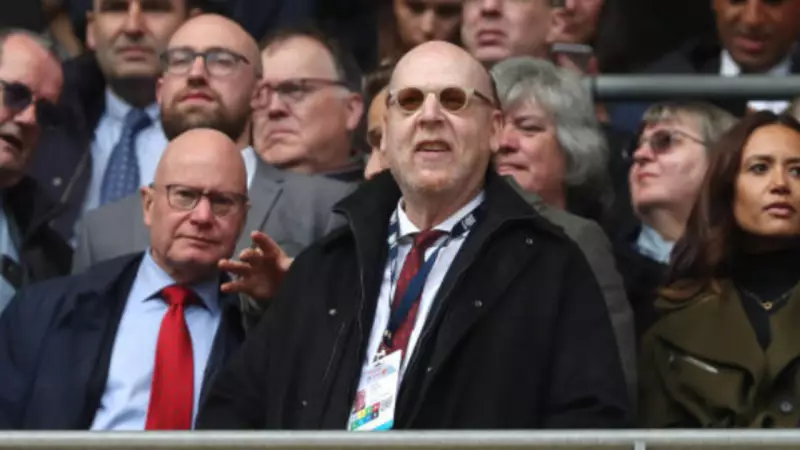
Avram Glazer stands as a prominent American businessman whose influence extends far beyond corporate boardrooms into the heart of global football. As the executive co-chairman of Manchester United, he oversees one of the world's most legendary football clubs, boasting an astonishing fan base exceeding 1.1 billion supporters across continents. His leadership role places him at the epicenter of a sporting institution that transcends mere athletics, representing a cultural phenomenon with immense commercial and emotional resonance.
The Glazer Dynasty's Controversial Reign at Old Trafford
The Glazer family's association with Manchester United began two decades ago in 2005, when their late patriarch Malcolm Glazer orchestrated a landmark takeover valued at approximately $790 million. This acquisition, while securing complete ownership, simultaneously burdened the club with substantial debt—a financial strategy that has sparked continuous debate and dissatisfaction among the loyal fanbase. Avram Glazer shares majority ownership responsibilities with his brother Joel, maintaining the family's controlling interest despite mounting pressure and public demonstrations.
Recent valuations suggest Manchester United's worth has soared to around $6 billion, transforming the club into an exceptionally valuable asset within the Glazer portfolio. However, this financial success has been shadowed by persistent criticism from supporters who question the ownership's priorities and management approach. The debt structure inherited from the original takeover remains a focal point of contention, fueling organized protests and calls for greater investment in both team development and infrastructure improvements.

Navigating New Realities: Ratcliffe's Entry and Future Directions
As Manchester United approaches 2026, the ownership landscape is evolving with Sir Jim Ratcliffe's acquisition of minority shares. This development introduces new dynamics to the club's governance, yet Avram Glazer continues to occupy a central position in strategic decision-making. He regularly participates in high-level meetings and represents family interests during critical negotiations, including recent visits to training facilities alongside Ratcliffe to assess team operations.
Glazer's involvement reflects the family's long-term investment perspective regarding the Premier League powerhouse. Despite ownership adjustments and external pressures, his consistent presence ensures continuity in the Glazer vision for the club's future direction. This steadfast approach demonstrates the family's commitment to maintaining influence over Manchester United's trajectory, even as they adapt to changing circumstances within football's competitive and financial ecosystems.
The Glazer Business Empire: Beyond Football Frontiers
The Glazer family's wealth originates from diversified investments, most notably their complete ownership of the Tampa Bay Buccaneers NFL franchise. This sports venture has significantly contributed to their collective fortune, estimated at approximately $10 billion. Avram Glazer himself earns recognition on Forbes' billionaire lists, with his wealth primarily derived from profitable sports team ownership that generates substantial annual revenues.
Beyond football and American football, the family has expanded into various business sectors, establishing Avram as a discreet yet influential figure in international sports management. His low-profile demeanor belies considerable authority, with decisions that continue to shape Manchester United's operational and strategic frameworks. This multifaceted business acumen enables the Glazers to sustain their sports investments while exploring additional commercial opportunities worldwide.
As Manchester United progresses through an era of transformation, Avram Glazer's role remains indispensable to the club's ownership narrative. His ability to balance legacy concerns with modern demands will likely determine how this football institution addresses its challenges and capitalizes on emerging opportunities in the global sports marketplace.