Bangladesh's T20 World Cup Boycott Deemed a Strategic Misstep by Former BCB Official
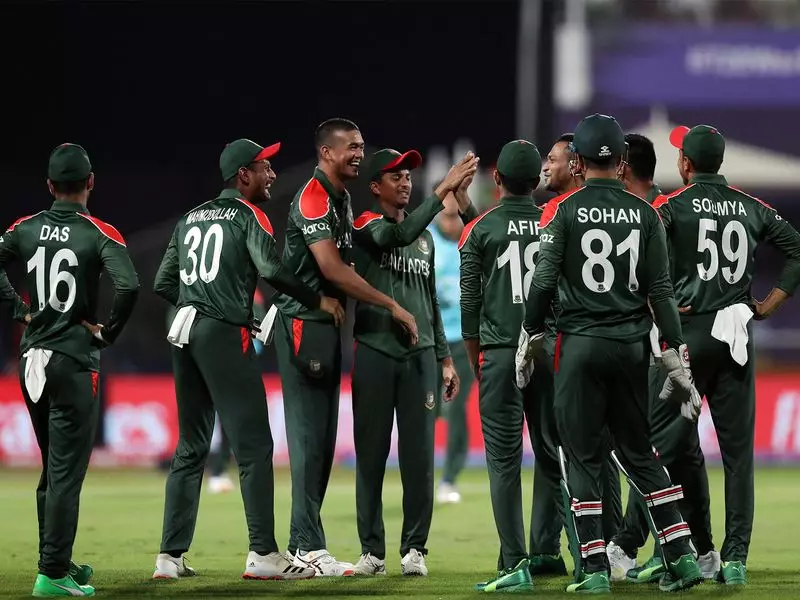
In a significant development within the cricketing world, a former high-ranking official of the Bangladesh Cricket Board (BCB) has publicly criticized the nation's decision to boycott the upcoming T20 World Cup. The ex-general secretary of the BCB has asserted that Bangladesh has overplayed its hand by opting out of the prestigious international tournament, a move that could have far-reaching consequences for the country's cricket reputation and development.
Background of the Boycott Decision
The boycott stems from ongoing disputes and grievances that Bangladesh cricket authorities have with the International Cricket Council (ICC) and other governing bodies. While specific details of the issues leading to the boycott have not been fully disclosed, it is understood to involve matters related to scheduling, financial arrangements, and perceived inequities in the global cricket landscape. This decision marks a bold and unprecedented step for Bangladesh, a nation that has been striving to establish itself as a competitive force in international cricket over the past few decades.
Criticism from Within the Cricket Establishment
The former BCB general secretary, whose identity is associated with deep insights into the board's operations, has voiced strong opposition to the boycott. According to the official, this action represents a miscalculation that could isolate Bangladesh from the international cricket community. The ex-secretary emphasized that while advocating for fair treatment is crucial, boycotting a major event like the T20 World Cup is counterproductive. It not only deprives Bangladeshi players of valuable exposure and experience but also risks alienating fans and sponsors who are essential for the sport's growth in the country.

Furthermore, the official highlighted that such moves could undermine Bangladesh's position in future negotiations with the ICC, as they may be perceived as uncooperative or disruptive. The T20 World Cup is a platform where emerging cricketing nations can showcase their talent and gain recognition, and missing out on this opportunity could set back Bangladesh's progress in the sport.
Potential Impacts on Bangladesh Cricket
The boycott decision is expected to have several negative repercussions:
- Player Development: Young and aspiring cricketers in Bangladesh will miss the chance to compete at the highest level, which is vital for their skill enhancement and career advancement.
- Financial Losses: The BCB and associated stakeholders may face significant financial setbacks due to lost broadcasting rights, sponsorship deals, and match revenues.
- Fan Disengagement: Cricket enthusiasts in Bangladesh might feel disillusioned by the absence of their national team from a global tournament, potentially leading to decreased interest and support for the sport.
- International Relations: The boycott could strain Bangladesh's relationships with other cricket boards and the ICC, making it harder to collaborate on future initiatives or resolve disputes amicably.
Broader Implications for Global Cricket
This incident sheds light on the broader challenges facing international cricket, including issues of governance, equity, and representation. Bangladesh's boycott highlights the tensions that can arise between smaller cricketing nations and the established powers within the sport. It serves as a reminder that dialogue and negotiation are often more effective than drastic actions like boycotts, which can have unintended and lasting consequences.
In conclusion, the former BCB general secretary's criticism underscores a growing concern within Bangladesh's cricket community about the wisdom of the T20 World Cup boycott. As the situation unfolds, it will be crucial for Bangladesh to reassess its strategy and seek constructive ways to address its grievances without compromising its standing in the global cricket arena. The hope is that this controversy will lead to positive changes and a renewed focus on fostering a collaborative and inclusive environment for cricket worldwide.