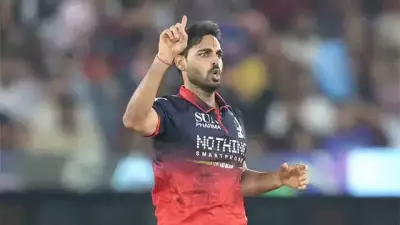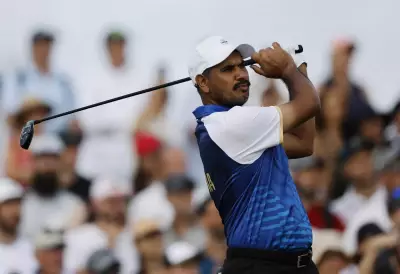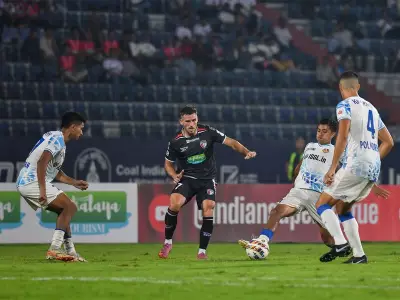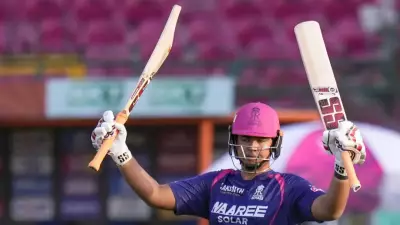
For a seven-year-old arriving decades ago, Bengaluru was not just a new city; it was a future home and the silent co-author of a sporting destiny. The narrator's personal journey mirrors the metropolis's own transformation from a serene, garden city into one of India's most vibrant and respected hubs for athletes and fans alike. This is the story of a city whose identity is inextricably woven with the spirit of sport.
The Humble Beginnings: Passion Over Infrastructure
In the early days, the sporting landscape of Bengaluru was defined by raw enthusiasm, not facilities. There were no formal academies, structured coaching programs, or sophisticated infrastructure. Young athletes played on gravel grounds, their drive fueled purely by love for the game. Sport was not considered a viable career path; it was an instinct, a fundamental part of growing up.
The city fostered a unique sporting character. Children played multiple games—cricket, hockey, football, and athletics—learning techniques by observing their seniors. Without formal coaches or gyms, athleticism was developed naturally, discipline was self-imposed, and an innate hunger distinguished the best players. This grassroots, multi-sport culture became the fertile ground for future champions.

Producing Giants Against All Odds
Despite the limited resources, Bengaluru and Karnataka began producing icons who would change Indian sport. The state gifted Indian cricket legendary spin bowlers like Erapalli Prasanna and Bhagwat Chandrasekhar, who revolutionized global perceptions of spin bowling. Watching them play locally was an education in itself.
Infrastructure remained basic for years. Matting wickets with unpredictable bounce were common. The iconic M Chinnaswamy Stadium hosted its first Test match in 1974 while still under construction. Yet, the passion from the stands was unwavering, proving that Bengaluru's love for sport never depended on perfect conditions.
Evolution: Technology, Culture, and Sustained Legacy
The way the city consumed sport evolved dramatically with technology. The journey moved from communities gathered around radio sets to the nationwide television revolution ignited by India's 1983 Cricket World Cup win. Today, digital platforms bring fans closer to athletes, but the core emotional connection forged in those early days remains unchanged.
What truly defines Bengaluru is its deep-seated respect for sport and sportspersons. The city follows cricket, hockey, football, and athletics with an informed passion and immense pride. This culture directly translated into extraordinary results. In 1976, a phenomenal six players from Karnataka were part of the Indian national cricket team—a rare feat that highlighted the region's dominance.
This legacy was carried forward magnificently two decades later by another generation of Bengaluru greats, including the iconic Rahul Dravid and Anil Kumble. Across decades and various sports disciplines, the city has consistently produced athletes who have represented India with the highest distinction, each generation adding a new layer to Bengaluru's rich sporting identity.
If one word encapsulates Bengaluru's eternal bond with sport, it is pride. The journey from gravel grounds to world-class stadiums, from instinctive play to institutional excellence, mirrors the city's own growth. Bengaluru does not merely host sporting events; it actively shapes sporting destinies. In this process, the city reveals its own resilient, passionate, and proud soul to the world.