The England and Wales Cricket Board (ECB) has taken a decisive step in securing the future of its women's national team by awarding central contracts to seventeen players. This strategic move is squarely aimed at building a strong and stable squad for the upcoming challenges, with a major focus on the T20 World Cup scheduled for 2026.
Fresh Faces and Experienced Core in Contract List
The list of contracted players reveals a blend of established stars and promising new talent. While veteran campaigners like Heather Knight, Sophie Ecclestone, and Nat Sciver-Brunt retain their spots, the most notable inclusion is that of teenage fast bowler Mahika Gaur. The 18-year-old, who switched allegiance from the United Arab Emirates, has been rewarded with her first full central contract following impressive performances.
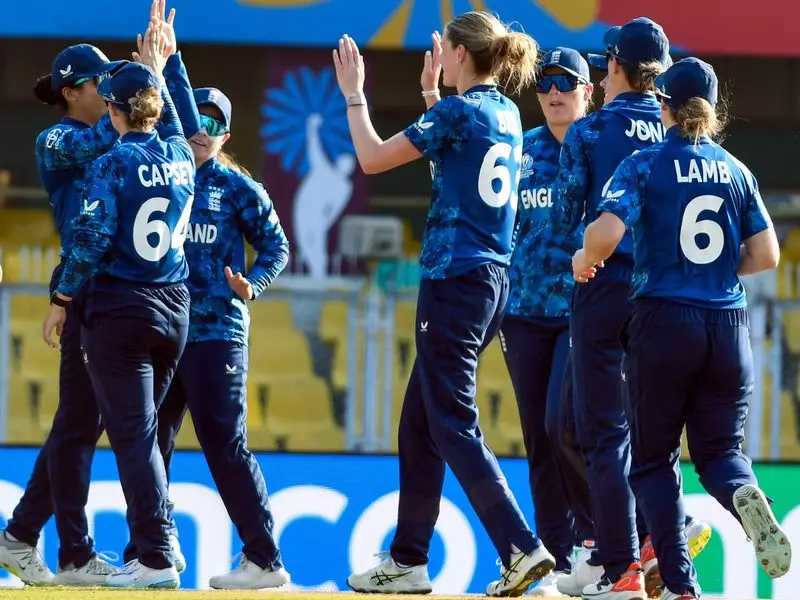
Other key players securing contracts include wicketkeeper-batter Amy Jones, all-rounder Alice Capsey, and pace bowler Lauren Bell. The ECB's decision underscores a commitment to nurturing a core group that can compete at the highest level across all formats in the long term.
Building Towards the 2026 T20 World Cup
The timing of these contract announcements is significant. The ECB has explicitly stated that this group forms the foundation for the team's campaign in the ICC Women's T20 World Cup 2026. By providing financial security and clarity, the board aims to allow players and coaching staff to plan and prepare with a clear long-term vision.
This approach allows for focused development, extended training blocks, and managed workloads, which are crucial for peak performance in a major global tournament. The contracts cover the period from February 2024 to January 2025, ensuring the players are supported through a busy international calendar.
Management's Vision and Omitted Names
England's head coach, Jon Lewis, expressed strong support for the contracted group, highlighting the blend of youth and experience. He emphasized that these players are central to the team's ambitions over the next crucial years. The selection also indicates the management's faith in certain players to lead the team's bowling and batting departments in the future.
However, the list also means some notable names from the previous cycle, such as fast bowler Issy Wong and all-rounder Dani Gibson, were not offered full contracts this time. They, along with others, will be offered development contracts, keeping them within the performance pathway and available for selection based on form and fitness.
Implications for Women's Cricket in England
This batch of central contracts represents a continued professionalization of the women's game in England. It provides players with greater stability, allowing them to concentrate fully on their cricket without financial distractions. For young talents like Mahika Gaur, it is a massive vote of confidence and an opportunity to embed themselves in the national setup.
The move is seen as a proactive measure to maintain England's status as one of the world's leading women's cricket teams. With rivals like Australia and India also investing heavily, securing top talent is paramount. The ECB's strategy is clear: to identify, invest in, and build a world-beating squad ready to reclaim the T20 World Cup title in 2026.
The coming months will see this contracted group in action across various series, where their performances will be closely watched as the road to the 2026 World Cup begins in earnest.