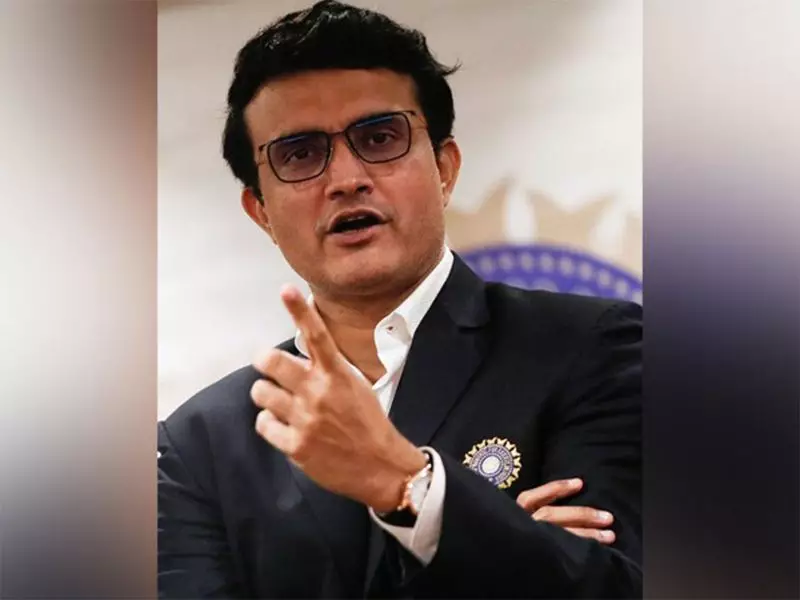
Former Indian cricket captain and ex-BCCI president Sourav Ganguly has initiated legal action by filing a formal police complaint in Kolkata. The complaint targets the head of a football fan club for allegedly making highly objectionable and defamatory remarks against him.
Details of the Complaint and Allegations
The complaint was officially lodged at the Thakurpukur Police Station in Kolkata on Saturday, March 29, 2025. Ganguly, a revered figure in Indian sports, has accused the individual of making statements that are not only defamatory but also constitute criminal intimidation. The specific content of the remarks has not been publicly detailed in the First Information Report (FIR), but they are described as serious enough to warrant police intervention.
According to the FIR, the accused is identified as the head of the 'East Bengal Real Power' fan club. The complaint states that the individual made these objectionable comments with the intent to damage Ganguly's reputation and public image. The former cricketer has asserted that the remarks crossed legal boundaries, prompting him to seek recourse through the law enforcement system.

Legal Framework and Police Response
The police have registered the complaint under relevant sections of the Indian Penal Code (IPC), which are likely to include provisions related to defamation and criminal intimidation. An investigation into the matter is now underway. Authorities will examine the evidence, which may include digital records or witness statements, to determine the full context and validity of the allegations.
This step highlights Ganguly's decision to address the issue through formal legal channels rather than ignoring it. It underscores a growing trend among public figures to legally challenge online abuse and defamatory speech. The move sends a clear message about the potential consequences of making unsubstantiated and harmful allegations against individuals.
Broader Implications for Sports and Public Figures
This incident brings to the forefront the ongoing challenge of managing fan culture and the boundaries of acceptable commentary, especially on digital platforms. While passionate support is a hallmark of Indian sports, it can sometimes devolve into personal attacks. Ganguly's action establishes a precedent that such behavior, even from ardent fans, can have serious legal repercussions.
The case also intersects the worlds of cricket and football fandom in India, two sporting communities with massive followings. It raises questions about accountability within fan clubs and the responsibility of their leaders. Legal experts suggest that the outcome of this complaint could influence how similar cases are handled in the future, particularly concerning the protection of a person's dignity and reputation from targeted verbal attacks.
As the investigation progresses, all eyes will be on the Kolkata Police and the judicial process. The case serves as a reminder that freedom of expression has its limits, and defamatory statements can lead to significant legal trouble for the accused.