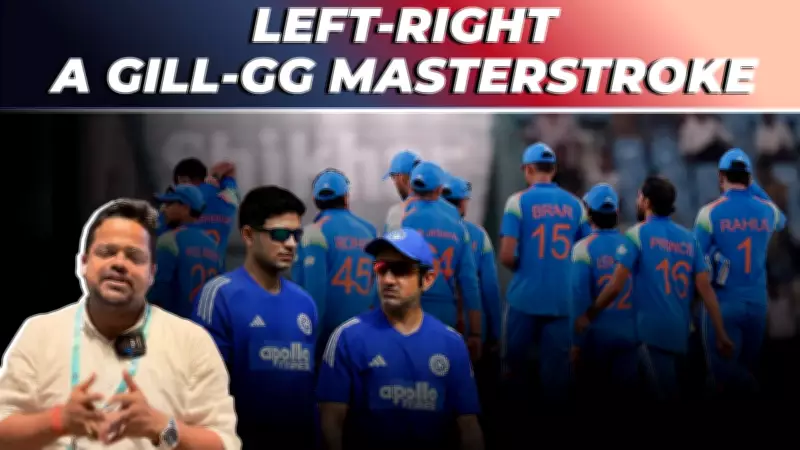
Shubman Gill and Gautam Gambhir appear aligned on a crucial ODI strategy—maintaining a left-right batting combination at the top. Is this the blueprint that could shape India's road to the 2027 ODI World Cup? Here's why the team management is backing this approach and what it means for India's future.
The left-right combination at the top of the order is a tactical move designed to disrupt bowling plans and create matchup advantages. By having a left-hander and a right-hander at the crease, fielding captains are forced to constantly adjust their field placements, making it harder for bowlers to settle into a rhythm. This strategy has been successfully employed by various teams in limited-overs cricket, and India now seems keen to adopt it as a long-term plan.
Why the Left-Right Combo Matters
In ODI cricket, the opening partnership sets the tone for the innings. A left-right pair can exploit gaps in the field, especially against spinners, as the angles change with each batsman. This not only puts pressure on the opposition but also allows the batting team to rotate strike more effectively. Gill and Gambhir believe that this approach will be particularly effective in the conditions expected for the 2027 World Cup.

The Role of Shubman Gill
Shubman Gill, a right-handed opener, has been in sublime form across formats. His ability to anchor innings and accelerate when needed makes him an ideal candidate to partner with a left-hander. Gill's technique against both pace and spin allows him to adapt to different partners, ensuring the left-right combination remains effective.
Gautam Gambhir's Vision
Gautam Gambhir, a former left-handed opener himself, understands the nuances of this strategy from personal experience. As a mentor or advisor, Gambhir has been instrumental in advocating for this approach. His insights into how left-handers can dominate in the powerplay and middle overs are invaluable for the current squad.
Impact on Team Selection
This strategy will influence the selection of openers. India has several left-handed options, including Yashasvi Jaiswal, Ishan Kishan, and Ruturaj Gaikwad (though right-handed, he can be paired). The team management is likely to groom a left-hander specifically for the opening slot to complement Gill. This could mean more opportunities for young left-handers in the domestic circuit and A tours.
Challenges and Adjustments
While the left-right combo is advantageous, it requires the left-hander to be equally adept against both pace and spin. Not all left-handers possess the same skill set, so the team will need to identify the right player. Additionally, the strategy must be flexible; if a left-hander fails, the team should have a backup plan without disrupting the overall balance.
Looking Ahead to 2027
With the 2027 ODI World Cup in mind, India is building a squad that can adapt to different conditions. The left-right opening combination is just one piece of the puzzle, but it could prove to be a masterstroke if executed well. Gill and Gambhir's alignment on this strategy shows a clear vision for the future, one that prioritizes tactical flexibility and matchup dominance.
As India prepares for the next World Cup, fans can expect to see more experimentation at the top of the order. The goal is to create a lineup that is unpredictable and difficult to bowl to. If successful, this approach could be the key to India lifting the trophy in 2027.