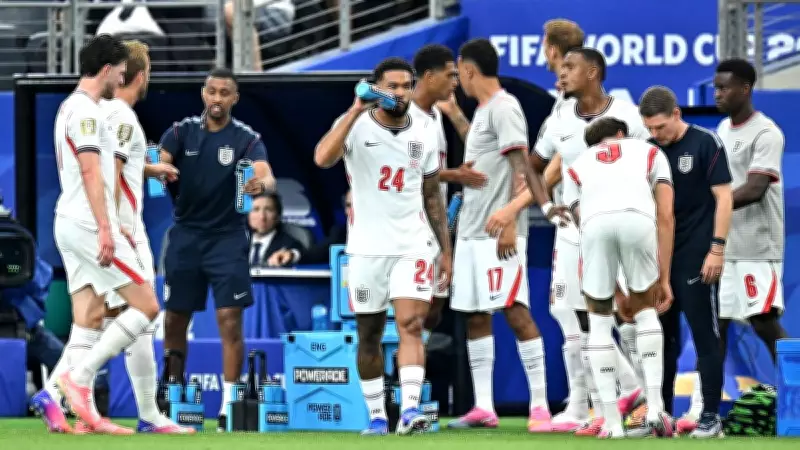
FIFA's new mandatory three-minute hydration breaks at the World Cup have ignited a storm of controversy among fans, who argue that the pauses disrupt the natural flow of the game and cater to commercial interests. The breaks, introduced to help players cope with heat and humidity, have been met with boos in stadiums across Dallas, Toronto, and Boston, signaling widespread disapproval.
Fan Backlash at Matches
During the first hydration break of multiple World Cup matches, fans in Dallas, Toronto, and Boston expressed their displeasure by booing loudly. The negative reaction was particularly striking in Toronto, where the match took place under rainy and cooler conditions, indicating that the dissatisfaction with the new rule is not solely tied to weather factors.
Disruption of Game Flow
Critics contend that the three-minute breaks fragment the match into four quarters, harming the rhythm and intensity of play. Some observers suggest that the pauses may serve broadcasters' advertising needs, prioritizing revenue over the sporting experience. The breaks have been described as an unwelcome innovation that undermines the traditional flow of the game.

Impact on Match Outcomes
The breaks have also raised questions about their influence on performance and results. In one instance, a team conceded a goal shortly after the break resumed, fueling debate about whether the pauses affect players' concentration and momentum. This has led to concerns that the rule could alter the course of matches in unpredictable ways.
Mixed Reception Across Venues
The hydration breaks received a cold reception even in cooler conditions, such as Toronto's rainy match, indicating widespread dissatisfaction among fans. While FIFA has defended the measure as a player safety initiative, the backlash suggests that the governing body may face continued criticism if the breaks persist in future tournaments.