ICC Stands Firm, Rejects Pakistan's Venue Change Demand for Champions Trophy
The International Cricket Council (ICC) has delivered a decisive blow to the Pakistan Cricket Board (PCB) by rejecting its formal request to alter the host venue for the upcoming 2025 ICC Champions Trophy. This development comes amidst a dramatic reversal of Pakistan's earlier boycott threats, casting a spotlight on the nation's diplomatic and administrative struggles within global cricket governance.
Mohsin Naqvi's Candid Admission of PCB's Shortcomings
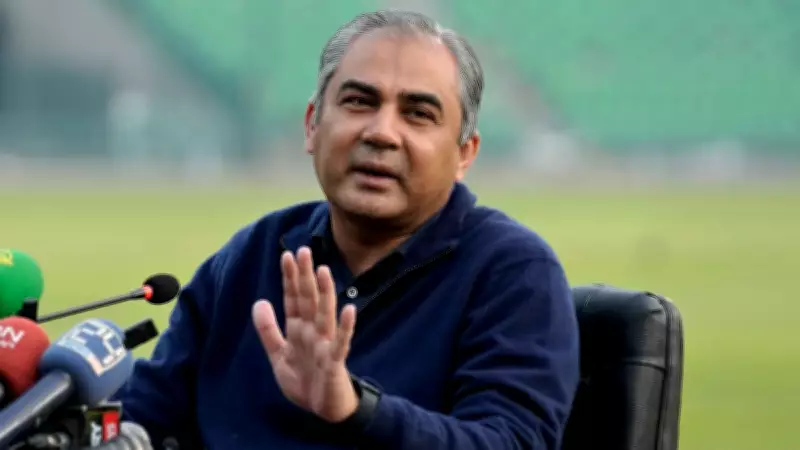
In a remarkably forthright statement following the ICC's verdict, PCB Chairman Mohsin Naqvi conceded, "We did nothing for ourselves". This admission underscores a perceived failure in proactive advocacy and strategic planning by the Pakistani cricket administration. Naqvi's comments reflect deep-seated frustrations over the board's inability to secure concessions or influence critical decisions at the international level, particularly concerning tournament hosting rights and logistical arrangements.
The Boycott U-Turn and Its Diplomatic Ramifications
Pakistan's initial stance involved threatening a boycott of the Champions Trophy if their demands were not met, a move that has now been conspicuously abandoned. This U-turn highlights significant diplomatic and economic pressures faced by the PCB. Analysts suggest that the threat was likely unsustainable, given the potential financial repercussions and isolation from major cricketing events. The reversal has raised questions about Pakistan's leverage and credibility in international cricket forums, with the ICC's rejection further diminishing its negotiating position.

- Logistical and Security Concerns: The ICC cited pre-established plans and potential security challenges as primary reasons for maintaining the original host venue, emphasizing the need for stability and predictability in global tournament scheduling.
- Precedent and Governance: Altering a host venue at this advanced stage would set a problematic precedent, potentially encouraging similar demands from other nations and disrupting the ICC's long-term planning framework.
- Economic Implications: The financial investments and commitments already made by the designated host country played a crucial role, with the ICC prioritizing contractual obligations and economic viability over Pakistan's appeals.
Implications for Pakistan Cricket's Future
This episode is poised to have lasting consequences for Pakistan's role in international cricket. The PCB's inability to sway the ICC decision, coupled with the public admission of ineffectiveness, may erode confidence among stakeholders, including players, sponsors, and fans. It underscores the urgent need for strategic reforms within the board to enhance its diplomatic outreach, governance structures, and crisis management capabilities. Moving forward, Pakistan must reassess its approach to international cricket diplomacy to avoid similar setbacks in future negotiations.
The rejection by the ICC serves as a stark reminder of the complex interplay between sports, politics, and economics. For Pakistan, the path ahead involves not only addressing internal administrative challenges but also rebuilding its stature and influence on the global cricketing stage.