ICC Firmly Rejects Pakistan's Demands in T20 World Cup 2026 Controversy
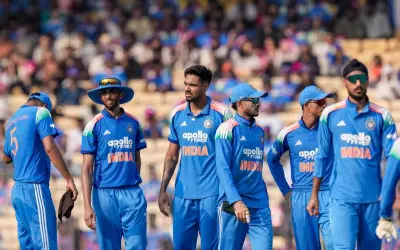
The International Cricket Council (ICC) has delivered a decisive blow to Pakistan's demands concerning India's participation in the upcoming T20 World Cup 2026. In a clear and unambiguous statement, the global cricket governing body declared it has "nothing to offer" to Pakistan amidst the escalating boycott row. This development marks a significant escalation in the ongoing diplomatic and sporting tensions between the two cricketing nations.
The Core of the Dispute: India's Participation
At the heart of this controversy lies Pakistan's insistence on specific conditions or assurances regarding India's involvement in the tournament. Sources indicate that Pakistani cricket authorities had raised formal objections and presented a list of demands to the ICC, directly linked to the political and security concerns surrounding matches between the two arch-rivals. The ICC's categorical rejection underscores its commitment to maintaining the tournament's schedule and integrity without bowing to political pressures.
ICC's Unwavering Stance on Tournament Governance
The ICC's response was not merely a refusal but a firm reiteration of its governance principles. Officials emphasized that the T20 World Cup 2026 will proceed as planned, with all qualified teams, including India, expected to participate fully. The council highlighted that such demands set a dangerous precedent for international cricket, where sporting events could become entangled in bilateral political disputes. This stance is seen as a protective measure for the sport's global appeal and commercial viability.

Historical Context and Recent Escalations
This incident is not isolated but part of a long history of cricketing tensions between India and Pakistan, often influenced by broader geopolitical relations. In recent years, bilateral series have become rare, with teams mostly meeting only in ICC-organized multi-nation events. The 2026 boycott row adds another layer of complexity, potentially affecting:
- Tournament Scheduling: Possible logistical challenges if Pakistan follows through on boycott threats.
- Commercial Partnerships: Impact on broadcast rights and sponsorship deals tied to high-profile India-Pakistan matches.
- Fan Engagement: Disappointment for millions of cricket enthusiasts who eagerly anticipate these clashes.
Potential Ramifications for Pakistan Cricket
By taking such a hardline stance, Pakistan risks significant repercussions within the international cricket community. The ICC's statutes include provisions for penalties against member boards that unilaterally withdraw from scheduled events without valid cause. This could range from financial fines to points deductions in future tournaments, or even suspension from ICC events. Moreover, Pakistan's position might isolate it further, as other cricketing nations generally adhere to ICC directives to avoid politicizing the sport.
The Path Forward: Diplomacy or Confrontation?
As the 2026 T20 World Cup approaches, the ball is now in Pakistan's court. Cricket analysts suggest that the most viable path is through behind-the-scenes diplomacy, possibly mediated by the ICC or neutral parties. However, if Pakistan chooses to escalate the confrontation, it could lead to an unprecedented scenario where a top cricketing nation boycotts a premier ICC event. The coming months will be crucial in determining whether cricket diplomacy can prevail over political posturing.
In conclusion, the ICC's firm rejection of Pakistan's demands has set the stage for a high-stakes standoff in world cricket. With the T20 World Cup 2026 on the horizon, the resolution of this dispute will not only affect the tournament but also shape the future of India-Pakistan cricketing relations and the ICC's authority in managing geopolitical conflicts within the sport.