ICC Issues Strong Response to Pakistan's Decision to Boycott India Match at T20 World Cup 2026
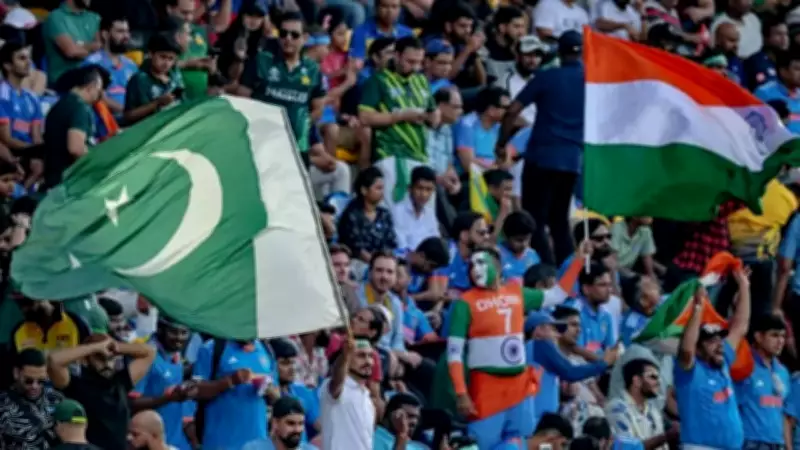
The International Cricket Council (ICC) has officially responded to Pakistan's controversial decision to boycott its scheduled February 15 match against India at the ICC Men's T20 World Cup 2026, labeling the move as a serious concern for the global cricket community.
Official Statement Highlights Fundamental Concerns
In an official statement released from its headquarters, the ICC acknowledged the announcement made by Pakistan's government but made it unequivocally clear that selective participation contradicts the very essence of international tournaments. The governing body stated, "The ICC notes the statement that the government of Pakistan has made regarding the decision to instruct its national team to selectively participate in the ICC Men's T20 World Cup 2026."
The ICC emphasized that it is still awaiting formal communication from the Pakistan Cricket Board (PCB) regarding this development. However, the council stressed that skipping a scheduled match violates the basic principles that underpin world-class sporting events. The statement elaborated, "This position of selective participation is difficult to reconcile with the fundamental premise of a global sporting event where all qualified teams are expected to compete on equal terms per the event schedule."

Core Values of Cricket Tournaments Under Threat
The international cricket body underlined that ICC tournaments are built upon foundational pillars of fairness and integrity. The organization declared, "ICC tournaments are built on sporting integrity, competitiveness, consistency and fairness, and selective participation undermines the spirit and sanctity of the competitions."
While respecting the legitimate roles of national governments in matters of policy, the ICC expressed deep concern that this particular decision negatively impacts the sport and its global fanbase. The statement continued, "While the ICC respects the roles of governments in matters of national policy, this decision is not in the interest of the global game or the welfare of fans worldwide, including millions in Pakistan."
Long-Term Implications for Cricket Ecosystem
The ICC also issued a warning about potential long-term consequences stemming from such actions. The council cautioned, "The ICC hopes that the PCB will consider the significant and long-term implications for cricket in its own country," highlighting that such decisions affect the entire cricket ecosystem beyond just the immediate tournament.
The governing body reaffirmed its primary objective, stating, "The ICC's priority remains the successful delivery of the ICC Men's T20 World Cup," while expressing expectation that all member boards, including the PCB, would collaborate to find "a mutually acceptable resolution" to this developing situation.
Background of the Controversial Decision
Earlier developments revealed that Pakistan's government had confirmed it would permit the national cricket team to travel to Sri Lanka for the tournament but specifically instructed them not to play against India. This selective participation approach has created unprecedented tension within international cricket circles and raised questions about political influences on sporting events.
The ICC's strong response marks a significant moment in cricket diplomacy, as the governing body attempts to maintain the apolitical nature of international tournaments while navigating complex geopolitical realities. The situation continues to evolve as cricket authorities, national boards, and governments engage in discussions to resolve this unprecedented challenge to cricket's global framework.