MCC Unveils Comprehensive Update to Cricket Laws with 73 Changes
The Marylebone Cricket Club (MCC), the guardian of cricket's laws, has announced a significant overhaul with 73 changes set to take effect from October 2026. This marks the first major revision since 2022, aimed at modernizing the game while maintaining its traditional spirit.
Key Revisions in Wicketkeeping and Match Procedures
One of the most notable adjustments involves wicketkeeper positioning. Under the new laws, wicketkeepers will no longer face penalties for having their gloves in front of the stumps during the bowler's run-up. The MCC clarified that keepers must remain wholly behind the stumps only after the ball is released, aligning this rule with fielding positions to reduce unnecessary no-ball calls in the DRS era.
In red-ball cricket, a crucial change mandates that the bowling side must complete the final over of the day even if a wicket falls. Previously, stumps were called immediately upon a wicket in the final over, with remaining balls bowled the next day. The MCC stated this revision ensures fairness, as it prevents batting sides from avoiding sending a new batter in favorable bowling conditions, thereby preserving match drama.

Clarifications on Fielding and Dismissals
The MCC has introduced precise definitions to eliminate ambiguities. Overthrows are now formally defined as attempts to direct the ball toward the stumps to stop runs or effect a run-out, distinguishing them from misfields. Additionally, the 'bunny hop catch' has been removed; fielders outside the boundary can only touch the ball once while airborne and must be fully grounded within the boundary thereafter. If a fielder parries the ball from outside to a teammate inside and then steps out, a boundary is awarded.
Another update addresses the 'finally settled' ball, which is now considered so when in a fielder's hands or stationary on the ground, not necessarily with the bowler or wicketkeeper. This change streamlines game flow and reduces disputes.
Inclusivity and Equipment Standards
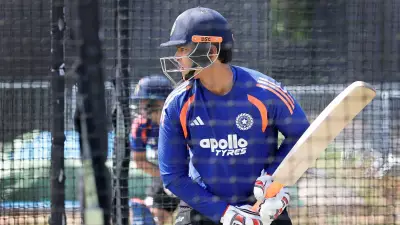
In a move toward greater inclusivity, the MCC has collaborated with manufacturers to standardize ball sizes for junior and women's cricket, now categorized as Size 1, 2, and 3 with uniform margins. Furthermore, laminated bats are legalized for open-age cricket to combat rising costs, though top-level play is expected to retain single-piece willow bats, as MCC tests indicate no significant performance advantage.
These revisions reflect the MCC's commitment to keeping cricket laws up-to-date and inclusive, ensuring the game evolves with modern demands while upholding its core values.