Naseem Shah Fined Heavily for Social Media Post, Escapes Career-Threatening Ban
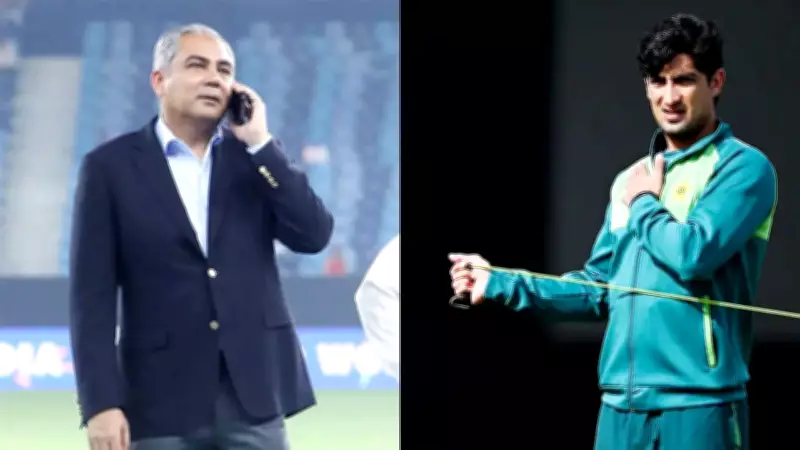
In a dramatic turn of events, Pakistan fast bowler Naseem Shah has been slapped with a substantial fine of PKR 20 million (approximately USD 72,000) by the Pakistan Cricket Board (PCB) for a controversial social media post. The 23-year-old cricketer, who has represented Pakistan in 20 Tests, 34 ODIs, and 37 T20Is, faced potential career jeopardy as a two-year ban was reportedly on the table before a last-minute intervention.
Controversial Post Targets Punjab Chief Minister
The controversy erupted when Naseem Shah posted a critical comment on social media regarding Punjab Chief Minister Maryam Nawaz's presence as chief guest at the opening game of the Pakistan Super League (PSL). Maryam Nawaz, daughter of former prime minister Nawaz Sharif and niece of incumbent PM Shehbaz Sharif, attended the event at Gaddafi Stadium amid ongoing Middle East conflicts.
"Why is she being treated like the Queen at Lords?" Naseem had posted in reference to Maryam Nawaz before quickly deleting the message. The PCB issued a show-cause notice to the cricketer on March 27, immediately following the chief minister's visit to the stadium.

Inside Story Reveals Narrow Escape from Two-Year Ban
Former Pakistan cricketer Basit Ali has revealed startling details about how Naseem Shah's career was saved from what could have been a devastating two-year suspension. According to Basit, PCB chief Mohsin Naqvi played a crucial role in preventing the ban from being imposed.
"Naseem Shah is very lucky. Let me tell you the inside story — he was facing a two-year ban," Basit disclosed. "The committee you are referring to had already indicated that. The credit goes to Mohsin Naqvi. He refused and said no, don't impose a ban — just fine him. He has a future. He can pay money, but you shouldn't play with someone's career."
PCB Rejects Hacking Claim, Imposes Strict Penalties
Despite claims that Naseem Shah's social media account had been hacked, the PCB did not accept this explanation. The board conducted a thorough review of the cricketer's response to their show-cause notice and determined he had breached multiple clauses of his central contract.
The PCB stated: "Naseem's reply was reviewed by the committee, and after evaluating everything, it has been determined that Naseem is found to have breached various clauses of his central contract, and a fine of PKR 2 crore has been imposed."
In addition to the financial penalty, Naseem Shah has issued an unconditional apology for his conduct. The PCB has taken further disciplinary action by terminating and blacklisting the cricketer's social media adviser.
Contractual Obligations and Player Responsibility
Basit Ali emphasized the importance of players understanding their contractual obligations, pointing out that central contracts clearly outline all relevant clauses. "When players sign a central contract, all these clauses are clearly mentioned. Why don't they read them at that time? And why do they send their manager instead?" he questioned.
The former cricketer added: "A mistake has been made — whether you say it was by the manager or by Naseem Shah. Otherwise, there would have been a two-year ban. And two years is a long time."
Political Context and Cricket Governance
The incident highlights the delicate intersection of sports and politics in Pakistan, where cricketers' public statements can have significant consequences. Maryam Nawaz's prominent role in the Sharif political dynasty adds layers of complexity to the situation, making Naseem Shah's criticism particularly sensitive.
The PCB's decision to impose a substantial fine rather than a career-ending ban reflects a balancing act between maintaining discipline and preserving valuable talent. Mohsin Naqvi's intervention demonstrates how cricket administration decisions can significantly impact players' careers and the national team's future prospects.
This case serves as a cautionary tale for professional athletes worldwide about the importance of social media responsibility and understanding contractual obligations in an era where public figures' online activities are closely scrutinized.