Pakistan Captain Salman Ali Agha Breaks Silence on Government's India Boycott Decision for T20 World Cup 2026
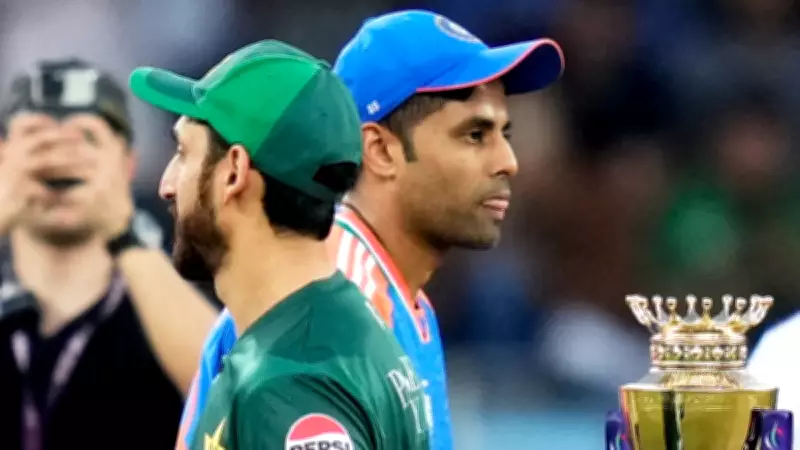
In a significant development that has sent shockwaves through the cricketing world, Pakistan cricket captain Salman Ali Agha has issued his first public statement following the Pakistani government's controversial decision to boycott matches against India at the upcoming T20 World Cup 2026. The announcement, made on February 1, 2024, has reignited debates over the intersection of sports and politics in the subcontinent.
Government's Decision and Its Implications
The Pakistani government, citing longstanding political tensions and diplomatic disputes with India, officially declared that the national cricket team will not participate in any matches against their arch-rivals during the T20 World Cup 2026. This move marks a dramatic escalation in the already strained cricketing relations between the two nations, which have seen sporadic cancellations and boycotts in recent years.
The decision is expected to have far-reaching consequences, not only for the tournament's schedule and viewership but also for the players and fans who eagerly anticipate these high-stakes encounters. Historically, India-Pakistan cricket matches have been among the most-watched sporting events globally, drawing millions of viewers and generating substantial revenue.

Salman Ali Agha's Reaction
Captain Salman Ali Agha, who has been at the helm of the Pakistani cricket team during a period of rebuilding and resurgence, expressed his thoughts on the matter with a measured tone. "As cricketers, our primary focus is always on representing our country with pride and competing at the highest level," Agha stated. "However, we respect the decisions made by our government and understand the broader context in which they are taken."
He emphasized the team's commitment to professionalism and preparation, regardless of the political landscape. "Our job is to be ready for any challenge on the field, and we will continue to train hard and aim for success in all our matches," Agha added, highlighting the squad's dedication to their sport.
Background and Historical Context
The India-Pakistan cricket rivalry has a storied history, often serving as a barometer for diplomatic relations between the two nuclear-armed neighbors. Over the decades, cricketing ties have been frequently disrupted by political events, including:
- Military conflicts and border tensions leading to series cancellations.
- Diplomatic standoffs affecting bilateral tours and multi-nation tournaments.
- Security concerns that have prompted teams to avoid traveling to each other's countries.
Despite these challenges, moments of cricketing diplomacy have occasionally thawed relations, such as during the 2004 tour when India visited Pakistan after a long hiatus, fostering a brief period of goodwill.
Impact on T20 World Cup 2026
The boycott decision could significantly alter the dynamics of the T20 World Cup 2026, which is scheduled to be hosted across multiple venues. Key potential impacts include:
- Tournament Format Adjustments: Organizers may need to revise the group stages or knockout rounds to accommodate Pakistan's refusal to play India, possibly leading to bye matches or reseeding.
- Financial Repercussions: Broadcasters and sponsors, who heavily invest in India-Pakistan clashes for their massive audience draw, might face losses, affecting the overall economics of the event.
- Fan Disappointment: Cricket enthusiasts from both nations and around the world could be deprived of one of the sport's most thrilling rivalries, diminishing the tournament's appeal.
This development underscores the fragile nature of sports in geopolitically sensitive regions, where athletic competitions often become entangled in larger national narratives.

Looking Ahead
As the cricketing community digests this news, attention now turns to how the International Cricket Council (ICC) and other stakeholders will respond. There is speculation about potential mediation efforts or pressure to reconsider the boycott, given the importance of these matches for the global cricket ecosystem.
For now, Salman Ali Agha and his team are focusing on their immediate responsibilities, with upcoming series and tournaments on the horizon. "We have a busy schedule ahead, and our goal is to keep improving and making our nation proud," the captain concluded, signaling a forward-looking approach amidst the controversy.
The situation remains fluid, and further updates are expected as the T20 World Cup 2026 draws closer, with hopes that dialogue might eventually pave the way for a resolution that benefits both cricket and diplomacy.