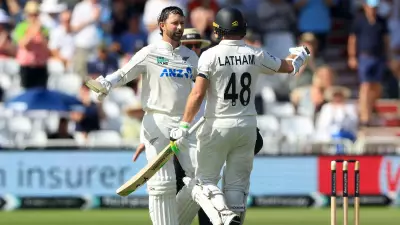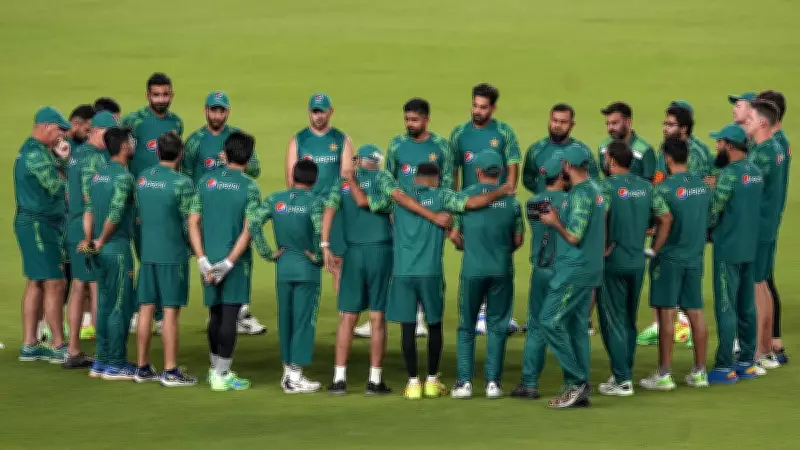
In a move that has sent shockwaves through the cricketing world, Pakistan has announced its decision to boycott the upcoming T20 World Cup scheduled to be held in India. This decision, framed by Pakistani officials as a principled stand, is widely viewed by analysts and sports enthusiasts as a politically motivated action rather than a genuine sporting protest.
The Context of the Boycott
The T20 World Cup, one of the most anticipated events in the international cricket calendar, is set to bring together teams from across the globe. India, as the host nation, has been preparing extensively for the tournament, which promises to be a showcase of talent and sportsmanship. However, Pakistan's sudden withdrawal has cast a shadow over these preparations, raising questions about the underlying reasons behind this drastic step.
Political Tensions Take Center Stage
Historically, cricket matches between India and Pakistan have been more than just games; they are events charged with national pride and political symbolism. The current boycott is no exception. Sources indicate that the decision stems from ongoing diplomatic strains between the two neighboring countries, rather than any specific grievances related to the tournament itself.

Experts argue that Pakistan's move is a calculated political maneuver, aimed at leveraging the high-profile nature of the T20 World Cup to draw international attention to bilateral issues. By framing the boycott as a principled stance, Pakistani authorities attempt to garner sympathy and support on the global stage, but this narrative is met with skepticism by many in the cricketing community.
Impact on the Tournament and Cricket Diplomacy
The absence of Pakistan, a cricketing powerhouse with a passionate fan base, is a significant blow to the T20 World Cup. It not only diminishes the competitive spirit of the event but also undermines efforts to use cricket as a tool for diplomacy and peace-building in South Asia.
Cricket has often served as a bridge between India and Pakistan, with matches fostering moments of camaraderie and dialogue amidst political tensions. This boycott, however, represents a step back from such initiatives, prioritizing political posturing over the unifying potential of sports.
Reactions from the Cricketing World
Reactions to Pakistan's decision have been mixed. While some supporters echo the government's stance, many former players and analysts express disappointment, urging a separation of sports from politics. They emphasize that such boycotts harm the growth of cricket and deprive fans of thrilling contests.
- Financial Implications: The boycott could lead to reduced viewership and sponsorship revenues, affecting the overall success of the tournament.
- Sporting Legacy: It sets a concerning precedent where international sporting events become arenas for political disputes.
- Fan Disappointment: Millions of cricket enthusiasts on both sides of the border are left disheartened by the loss of a high-stakes match-up.
Looking Ahead: The Future of India-Pakistan Cricket
This incident underscores the fragile state of cricketing relations between India and Pakistan. While hopes for a resolution remain, the immediate future appears bleak. The T20 World Cup boycott may prompt other nations to reconsider their participation or lead to calls for neutral venues in future tournaments.
In conclusion, Pakistan's decision to boycott the T20 World Cup in India is a stark reminder of how deeply politics can infiltrate sports. Rather than a principled move, it reflects the ongoing geopolitical tensions that continue to shape interactions between the two countries. As the cricketing world watches closely, the focus shifts to whether diplomacy can eventually pave the way for a return to the pitch, where talent and teamwork should reign supreme.