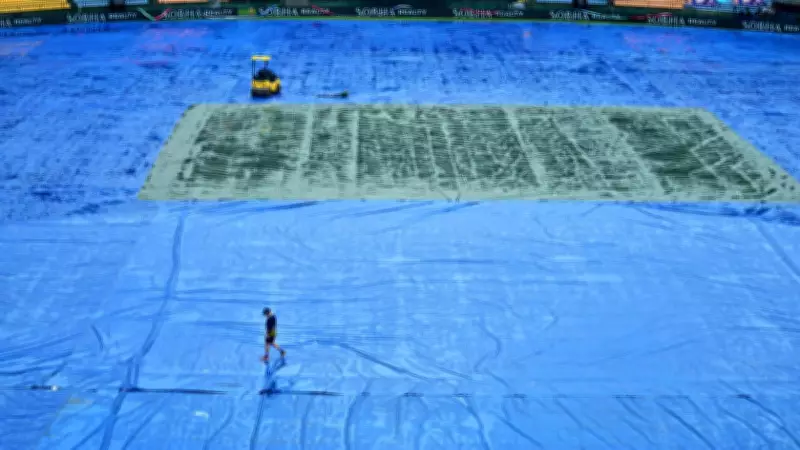
Pallekele Pitch Report: Key Insights for Australia vs Oman T20 World Cup 2026 Match
The highly anticipated clash between Australia and Oman in the T20 World Cup 2026 is set to take place at the Pallekele International Cricket Stadium in Sri Lanka. As teams prepare for this crucial encounter, all eyes are on the pitch conditions, which could play a decisive role in the outcome. This detailed pitch report provides an in-depth analysis of what to expect from the surface at Pallekele.
Historical Performance and Pitch Characteristics
The Pallekele International Cricket Stadium is renowned for its balanced pitch that typically offers something for both batsmen and bowlers. Historically, the surface here has been known to provide good bounce and carry, especially in the early overs, making it favorable for fast bowlers who can exploit the conditions. However, as the match progresses, the pitch tends to slow down, bringing spinners into the game more prominently.
In T20 internationals played at this venue, the average first innings score has hovered around 160-170 runs, indicating that it is not an excessively high-scoring ground but one where competitive totals can be set. The pitch generally remains true throughout the match, with minimal deterioration, which means teams batting second often have a fair chance if they adapt well to the conditions.

Expected Pitch Behavior for AUS vs OMN Match
For the Australia vs Oman match in the T20 World Cup 2026, the pitch is expected to follow its traditional pattern. Early moisture might assist seam bowlers, particularly in the first few overs, so teams winning the toss could consider bowling first to take advantage of this. Australia's pace attack, known for its aggression, might look to exploit these conditions early on.
As the game moves into the middle overs, the surface is likely to become slower, making stroke-play more challenging. Spinners from both sides could find turn and grip, which might be crucial in containing the opposition. Oman's spin-heavy lineup might see this as an opportunity to stifle Australia's powerful batting order.
The outfield at Pallekele is generally quick and well-maintained, allowing for good running between the wickets and value for shots. However, dew could be a factor in evening matches, potentially making the ball slippery for bowlers and favoring the team batting second. Teams will need to factor this into their strategies, especially if the match is scheduled under lights.
Team Strategies and Key Considerations
Australia, with their explosive batting lineup, might aim to post a big total if they bat first, leveraging the initial batting-friendly conditions. Players like David Warner and Glenn Maxwell could be key in setting a challenging score. On the bowling front, Pat Cummins and Mitchell Starc might target early breakthroughs using the pitch's bounce.
Oman, as the underdogs, will rely on their disciplined bowling attack to restrict Australia. Their spinners, such as Zeeshan Maqsood, could play a pivotal role in the middle overs by exploiting the slowing pitch. Batting-wise, Oman will need to build partnerships and avoid early wickets to stay competitive.
Both teams should consider the following tactical points:
- Pitch Adaptation: Quick adjustment to the changing pitch conditions will be crucial for success.
- Spin Utilization: Effective use of spinners in the middle overs could dictate the match's tempo.
- Dew Management: If dew is present, bowlers might struggle, so teams batting second could have an advantage.
- Powerplay Exploitation: Maximizing runs or wickets in the first six overs could set the tone for the rest of the innings.
Conclusion: A Balanced Contest Awaits
The pitch at Pallekele International Cricket Stadium is set to offer a fair contest between bat and ball for the Australia vs Oman T20 World Cup 2026 match. While it may not be a batting paradise, it provides enough opportunities for skilled players to shine. Teams that read the conditions accurately and execute their plans effectively will likely come out on top. Fans can expect an engaging match where pitch awareness could be the difference between victory and defeat.

As the cricketing world tunes in, this pitch report underscores the importance of surface analysis in modern T20 cricket, where every small advantage counts in high-stakes tournaments like the World Cup.